

Brian Greenberg
CEO / Founder & Licensed Insurance Agent
Brian is the founder and CEO of Insurancy and carries Life, Health, and Property & Casualty licenses in all 50 U.S. states. Since 2013, Brian has been a member of Million Dollar Round Table, a designation for the top 1% of financial advisors worldwide. Brian has been featured in Yahoo! Finance, Money.com, Entrepreneur.com, Life Happens, Forbes, MSN, and Good Financial Cents. Brian’s goal is to show customers the best products, the quickest answers to their questions, and provide expert advice.
Articles by Brian Greenberg (259)

What Is Bereavement and End-of-Life Support?
Bereavement is the period of grief and mourning after the death of a loved one. Grief affects everyone differently, from anticipatory grief before a death to complicated grief that lingers. This guide explains the types and manifestations of grief and collects vetted resources for supporting the bereaved - and the end-of-life nurses who care for dying patients.

Insurtech Survey - Fitness Trackers and Life Insurance
Insurancy's insurtech survey of roughly 1,000 US respondents found 77% are uncomfortable with life insurance premiums that fluctuate based on yearly physicals, and 59% refuse to wear a fitness tracker that reports to insurers - even for a better rate. Younger respondents were the most resistant, complicating the industry's wearables push.

COVID-19 and Life Insurance Survey - Consumer Outlook
Insurancy's COVID-19 and life insurance survey of 1,500 people found nearly half already had a policy and about 70% said the pandemic did not change their outlook on coverage. Insurers now ask about COVID-19 in applications, and a positive test can mean a 30-to-60-day waiting period before a new policy is issued.
Life Insurance and COVID-19 Study - 2024 Findings
Insurancy's life insurance and COVID-19 study found 48.2% of respondents own a personal policy, interest in buying coverage rose slightly during the pandemic, and 3 in 4 people do not believe COVID-19 will be treated as a pre-existing condition. Concerns about rising rates were common, making early application the practical takeaway.

14 Steps to Settle Debt With a Creditor or Debt Collector
Overdue debt causes real stress, and calls from debt collectors can feel overwhelming. Attorney Lyle Solomon walks through 14 practical steps for settling debt with a creditor or collector: keep a collections log, validate the debt before paying, get every agreement in writing, and know the FDCPA protections that limit what collectors can do.

Buyer Trust and Influence Study 2024 - Key Findings
Insurancy asked nearly 2,400 US respondents about their online browsing and purchasing habits to understand what builds buying trust. The study covers how reviews, social proof, search behavior, and brand reputation shape the modern path to purchase.

Life Insurance Statistics 2026 - US Industry Facts
About 51% of American adults own life insurance according to LIMRA's 2025 Insurance Barometer Study, and ownership has drifted down from 63% in 2011. This report combines Insurancy's own consumer research with industry data on why people buy coverage, how they shop, and which companies write the most premiums.

Life Insurance Industry Trends Survey 2022 - Results
Insurancy's life insurance industry trends survey found consumers cool on insurtech: 77% reject fluctuating premiums tied to physicals, 62% are uneasy about AI in the buying process, only 7% would share DNA data, and 78% still prefer buying from a local agent. Gen Z stands apart, ranking retailers like Costco and Amazon above online agencies.

Health Resources for End-of-Life Care
End of life looks different for everyone, which makes planning ahead feel uncertain. This guide collects trusted resources for every stage: elder care and healthy aging, hospice and palliative care, advance directives, locating life insurance policies and filing claims, and grief support for the whole family.

How Much the Biggest Pharma Companies Make Every Second
Insurancy broke down the annual revenue of the 25 biggest pharmaceutical companies into revenue per second. Pfizer topped the 2021 ranking at $2,578 earned every second, and the 2024 update shows Johnson & Johnson leading at roughly $2,816 per second based on full-year 2024 reports.

Online Shopping and E-commerce Statistics 2024 Study
Insurancy surveyed 2,400 US respondents about their online research and purchasing habits. The e-commerce study covers how shoppers use reviews and search, how mobile changes buying behavior, and what ultimately drives online purchases.

Life Insurance Consumer Report 2025 - Key Findings
Insurancy's Life Insurance Consumer Report finds Gen X is the age group most likely to own life insurance and Gen Z the least likely, while marriage and children both raise ownership sharply. Notably, 70% of respondents now estimate the cost of life insurance correctly, challenging the long-held industry belief that consumers dramatically overestimate prices.

Investment Trends Study 2025 - Investor Statistics
Insurancy's investment trends study surveys how Americans invest: online apps, cryptocurrency, internet investing, robo-advisors, and the differences in how men and women approach the market.

End of Life: A Grief Support Resource Guide
There is nothing in life harder than the death of a loved one. Grief is real, with both mental and physical symptoms, and even the very worst grief is survivable. This resource guide collects vetted links for coping with grief day to day, recognizing complicated grief, finding support groups, and supporting children and families through specific kinds of loss.

Breast Cancer Statistics - Key Facts and Survival Rates
The American Cancer Society estimates 316,950 new invasive breast cancer cases and 42,170 deaths among US women in 2025. Median age at diagnosis is 62, incidence has risen about 1% per year from 2012 to 2021, and death rates continue a long decline thanks to screening and better treatment.

Adjustable Life Insurance - How It Works and Who It Fits
Adjustable life insurance is a form of permanent coverage where you can change the death benefit, premium payments, and cash-value schedule as your finances shift. It offers more flexibility than whole life and can adapt to new dependents, higher income, or a paid-off mortgage, in exchange for closer attention to funding and periodic reviews.

Do You Need Insurance to Register a Car? State Rules
Most states require proof of insurance before you can register a car, and at minimum you will need your state's required liability coverage. A handful of states let you register before buying coverage or check insurance electronically later, but driving uninsured is illegal in every state except New Hampshire.

Car Insurance When Moving to a New State - What to Update
Moving to a new state usually means updating or replacing your car insurance policy, and most states give you 30 to 90 days after the move to do it. Start with a call to your current agent before you move, expect your rate to change with your new ZIP code, and be ready to switch carriers if your insurer is not licensed in the new state.

Best Car Insurance for Commuters - Mileage and Rates
The best car insurance for commuters is the cheapest policy that still protects you at commuter mileage, because insurers charge more once annual miles climb past pleasure-use caps of roughly 8,000 to 15,000. Every major carrier writes commuter policies, so comparing quotes at your true mileage is what separates a fair rate from an inflated one.

Best Insurance for a Leased Car - Coverage and Gap Rules
The best insurance for a leased car is the lowest-premium policy that satisfies both your state minimums and your leasing company's requirements - typically full coverage, often with gap insurance on top. Leasing itself does not raise the premium; identical coverage costs the same whether the car is leased or owned.

Mortgage Life Insurance - Do You Need It? Alternatives
Mortgage life insurance is designed to pay off your home loan if you die during the mortgage term. The benefit shrinks with your loan balance and the lender is typically the beneficiary. A standard level term policy usually costs less, covers more, and lets your family choose how to spend the payout, which is why most buyers pick term over mortgage life.

Disability Income Rider on Life Insurance - How It Works
A disability income rider adds a monthly cash benefit to your life insurance if you become totally disabled and cannot work. It is usually a fixed dollar amount (often 1 percent of the face amount per month) paid for a set period after an elimination period. It is a cheap add-on for basic income protection but is not a substitute for a full disability insurance policy.

Best Car Insurance With Bad Credit - Cheapest Companies
Drivers with bad credit pay significantly more for car insurance - poor credit can add roughly $1,500 a year versus excellent credit - but USAA, Farm Bureau, GEICO, and Nationwide consistently price it cheapest. Five states (California, Hawaii, Massachusetts, Michigan, and Washington) ban credit-based pricing entirely, and improving your score gradually lowers your premium.

21 Life Insurance Myths Debunked - What Is Actually True
Life insurance is one of the most misunderstood products in personal finance. This guide takes the 21 most common myths, from "term life is a waste of money" to "I am too young to need it," and answers each one with what the industry actually does. Most families are underinsured because of one of these myths.

Brian Greenberg - Million Dollar Round Table Member
Insurancy founder and CEO Brian Greenberg has been a member of the Million Dollar Round Table (MDRT) since 2013. MDRT is the premier global association for life insurance and financial services professionals, and membership is limited to about the top 1 percent of advisors worldwide.

Pulled Over While High on Marijuana? What to Do Next
If you get pulled over while high on marijuana, stay calm, keep your answers short, and do not consent to a vehicle search. Every state can charge drugged driving as a DUI - including states where marijuana is legal - and some use zero-tolerance or per se THC limits. If you are arrested or charged, contact a defense attorney experienced with marijuana DUI cases right away.
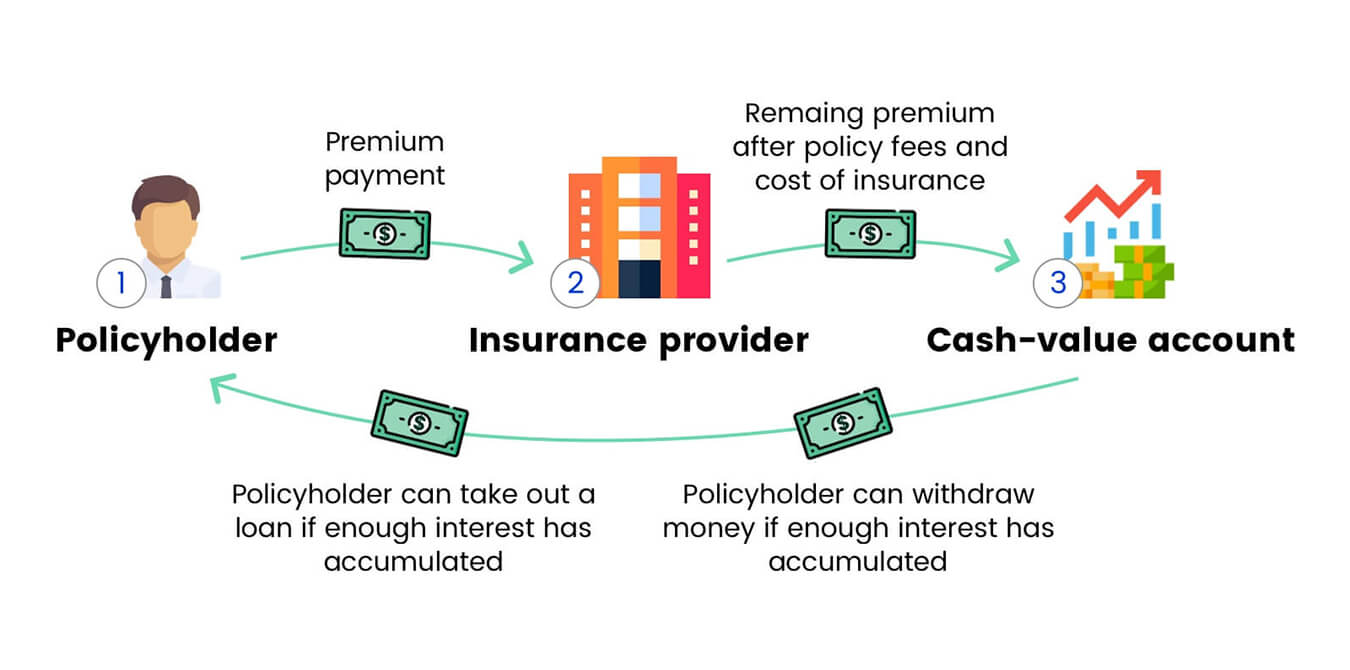
Indexed Universal Life Insurance Guide - IUL Explained
Indexed universal life insurance is a permanent policy that credits cash-value growth based on the performance of a stock index like the S&P 500, subject to a floor and a cap. IUL gives more upside than whole life without direct market losses, plus flexible premiums, but caps, participation rates, and policy charges make it a long-horizon product, not a market fund.

Accelerated Death Benefit Rider - How It Works
An accelerated death benefit rider lets you withdraw part of your life insurance death benefit early if you are diagnosed as terminally ill, and often for critical or chronic illness too. Most modern policies include the rider at no extra cost, and the withdrawal is generally income-tax-free. It turns your life insurance into a source of funds while you are still living.

Simplified Issue Whole Life Insurance - No Exam, Lifelong
Simplified issue whole life insurance skips the medical exam and asks a short set of health questions instead, then locks in a fixed premium and a lifelong death benefit with cash value. It fits buyers who want permanent coverage without waiting weeks for underwriting, though prices run higher than fully underwritten policies for the same face amount.

Best Car Insurance for 18-Year-Olds - Cost and Discounts
At 18, most drivers can legally sign their own auto policy, but the best car insurance for an 18-year-old is still typically to stay on a parent policy. A stand-alone policy for an 18-year-old averages about $3,600 to $5,200 a year, while adding an 18-year-old to a parent policy raises the family premium by roughly $1,800 to $2,400. Good-student and telematics discounts cut both by 15 to 25 percent.

What Is an Auto Insurance Binder? Proof Before Your Policy
An auto insurance binder is a temporary document that proves you have coverage while your formal policy paperwork is being finalized. It lists the driver, insurer, coverages, premiums, VIN, and policy number, costs nothing beyond the policy itself, and is most often needed when financing a car, at the DMV, or after switching insurers.

Is Life Insurance Worth It? When It Is and When It Is Not
Life insurance is worth it when someone depends on your income or the work you do, including a spouse, kids, a business partner, or an aging parent. Term life is inexpensive during the years of highest need, permanent life fits a smaller set of estate, business, and legacy goals, and going without coverage leaves your family exposed to the lump-sum shock of a lost income.

What to Do When You Get in a Car Accident - 8 Steps
After a car accident, check for injuries first, call the police even for minor crashes, exchange information, photograph the scene, seek medical attention, and notify your insurance company promptly. NHTSA counted 42,514 traffic fatalities in 2022, and a calm, documented response protects both your health and your claim.

Why Compare Auto Insurance Quotes Online Before You Buy
Comparing auto insurance quotes online is the fastest way to see how much rates vary between companies for the exact same driver - often by hundreds of dollars a year. Online quotes are free, generally accurate if you enter honest information, and comparison tools can pull multiple company rates at once.

Personal Loan Protection Insurance - Is It Worth It?
Personal loan protection insurance is a policy sold with a personal loan that pays some or all of the balance if you die, become disabled, or in some cases lose your job. It is convenient, but a standard level term life policy paired with disability insurance usually delivers more coverage per dollar and follows you across every debt, not just this one loan.

Is Primerica a Pyramid Scheme? What to Know Before Buying
Primerica is a publicly traded life insurance company (NYSE: PRI) that sells through a multi-level marketing (MLM) sales force. It is not a pyramid scheme in the legal sense because it sells a real product, but its MLM structure means most recruits never earn meaningful income and its term life prices tend to run above independent-agent quotes for the same face amount. Comparing quotes elsewhere is smart before signing up.

Car Insurance in Tucson, AZ - Rates, Minimums, Companies
Tucson drivers must carry Arizona's minimum liability limits of $25,000 bodily injury per person, $50,000 per accident, and $15,000 property damage. As Arizona's second-largest city, with I-10 and I-19 running through it, Tucson generally sees rates below the Phoenix metro - and shopping several quotes is still the surest way to find a cheap policy.

Washington State Long-Term Care Tax (WA Cares) Explained
Washington State charges a 0.58 percent payroll tax through the WA Cares Fund to pay for a $36,500 lifetime long-term care benefit for eligible workers. Workers who owned private long-term care coverage before November 1, 2021 could apply for a permanent opt-out, and specific groups such as veterans with disabilities and out-of-state workers can also be exempt. Understanding the rules helps Washington residents plan their care.

Long-Term Care Rider on Life Insurance - How It Works
A long-term care rider on a life insurance policy lets you use part of your death benefit to pay for qualified long-term care costs like a nursing home, home health aide, or assisted living. It builds LTC coverage into a policy you would already own, and unlike stand-alone LTC insurance, the death benefit still pays out to your family if you never need care.

6-Month vs 12-Month Auto Insurance - Which Is Cheaper?
A 6-month auto insurance policy costs about the same per month as a 12-month policy - the real difference is flexibility versus rate lock. A 6-month term lets you re-shop or switch carriers twice a year, while a 12-month term locks your rate for a full year, which helps if you get a ticket or file a claim mid-policy. Full-coverage 12-month premiums for a typical driver run about $1,400 to $2,580.

Mutual of Omaha Cancer, Heart Attack, and Stroke Insurance
Mutual of Omaha sells a supplemental critical illness policy that pays a lump-sum cash benefit if you are diagnosed with cancer, a heart attack, or a stroke. The benefit is paid directly to you and can cover deductibles, income gaps, or non-medical expenses. It is designed to fill the cost gaps that major medical insurance leaves after a serious diagnosis.

Life Flight Insurance - Air Ambulance Membership Explained
Life Flight and other air-ambulance memberships cover the balance-billing gap that health insurance often leaves behind after an emergency medical flight. A single air-ambulance trip can bill $40,000 or more, and membership plans keep the out-of-pocket cost predictable for a small annual fee. It is a niche protection worth considering if you live in a rural area or travel remote regions.

Arizona Commercial Auto Insurance - Requirements and Rates
Arizona commercial auto insurance covers vehicles used for business purposes and carries the same 25/50/15 minimum liability limits as personal policies, though most businesses need considerably higher limits. Any car, truck, van, or SUV used for business counts as a commercial vehicle, and personal policies typically exclude business-use claims.

Best Car Insurance for 17-Year-Olds - Cost and Discounts
The best car insurance for a 17-year-old is typically to stay on a parent policy as a listed driver, where the shared premium is roughly half the cost of a stand-alone teen policy. Nationally the cheapest carriers for 17-year-olds are USAA (military only), GEICO, State Farm, and Erie in the states where it operates. Good-student and defensive-driving discounts can cut 15 to 25 percent off the premium.

Best Car Insurance for 22-Year-Olds - Rates and Discounts
A 22-year-old typically pays $1,700 to $2,700 a year for a stand-alone auto insurance policy, roughly 60 percent of what a 19-year-old pays and closing in on the national average. Cheapest carriers for 22-year-olds nationally are USAA (military only), GEICO, Erie, and State Farm. Continuous coverage, defensive-driving, telematics, and renters bundling discounts can cut premium another 20 percent.

Best Car Insurance for a Bad Driving Record - Your Options
Most insurers will still cover drivers with accidents, tickets, or a DUI - the trade-off is a higher premium for the 3 to 5 years insurers look back on your record. The best policy for a bad driver is the least expensive one that still carries adequate protection, and rates improve at each renewal as violations age off.

Best Car Insurance for 20-Year-Olds - Rates and Discounts
A 20-year-old typically pays $2,400 to $3,600 a year for a stand-alone auto policy, or about $1,200 to $1,800 in additional premium if added to a parent policy. Cheapest carriers nationally for 20-year-olds include GEICO, USAA, Erie, and State Farm. Good-student, defensive-driving, telematics, and multi-line (bundling with renters) discounts can stack to 20 to 30 percent off.

Hired and Non-Owned Auto Coverage (HNOA) - What It Covers
Hired and non-owned auto coverage (HNOA) protects your business from liability when employees or contractors drive rented, hired, or personal vehicles for work. It fills the gap left by commercial auto insurance, which only covers vehicles the business owns, and it is essential once employees run errands, deliver, or travel in cars the company does not own.

Collision Auto Insurance - What It Covers and Costs
Collision insurance pays to repair or replace your own car after an accident, regardless of who was at fault. It is optional under state law but required by most lenders and leasing companies, and the average cost inside a full-coverage policy ran roughly $1,080 to $1,350 a year as of 2020. Your deductible decides how much you pay out of pocket before coverage kicks in.

Best Car Insurance for 19-Year-Olds - Rates and Savings
A 19-year-old typically pays roughly half what a 16-year-old pays for car insurance, but still 2 to 3 times what a 30-year-old pays. The best carriers for 19-year-olds nationally are GEICO, State Farm, Progressive, and USAA for military families. Good-student, student-away-at-school, and telematics (usage-based) discounts can cut the premium another 15 to 25 percent.
Comprehensive Auto Insurance - Coverage, Cost, Deductibles
Comprehensive auto insurance pays to repair or replace your car when it is damaged by something other than a collision - theft, weather, fire, falling objects, vandalism, or animal strikes. It averages about $194 a year with a typical $500 deductible, and lenders and leasing companies require it even though state law does not.

Best Car Insurance for 21-Year-Olds - Rates and Discounts
At 21, car insurance rates drop sharply as most carriers move drivers out of the youthful bracket. A 21-year-old typically pays $1,900 to $2,900 a year for a stand-alone policy. Cheapest carriers for 21-year-olds nationally are USAA (military only), GEICO, Erie, and State Farm. Good-student, defensive-driving, telematics, and renters or homeowners bundling discounts can cut premium another 20 to 25 percent.

Car Insurance With a Suspended License - How to Get It
You can get car insurance with a suspended license, and you often must - many states require proof of coverage or an SR-22 filing before reinstating your license. The practical route is working with an independent agent who knows which carriers accept suspended-status drivers, and never driving until the suspension is lifted.
Pulled Over for DUI? 7 Steps to Protect Yourself
If you get pulled over for DUI, stay calm, pull over safely, be polite, and say as little as possible. Field sobriety tests and hand-held breathalyzers are voluntary in most states, but refusing the chemical test at the station after an arrest triggers implied-consent penalties like automatic license suspension. Call an experienced DUI attorney as soon as possible after any arrest.

Does Auto Insurance Follow the Car or the Driver?
Auto insurance generally follows the car, not the driver - if someone borrows your car with permission and crashes, your policy typically pays first. Certain supplemental coverages, like rental car protection and some liability extensions, follow the driver instead. Who pays after an accident depends on fault, policy exclusions, and whether the driver was permitted.

Rental Car Insurance - Do You Need It and What It Covers
Rental car insurance covers liability and damage while you drive a rental, but you may not need to buy it at the counter - your personal auto policy often extends to rentals, and many credit cards include complimentary rental coverage. Check both before paying for duplicate protection.

Georgia Commercial Auto Insurance - Requirements and Costs
Georgia commercial auto insurance is required for vehicles used for business purposes, with minimum limits of $25,000 bodily injury per person, $50,000 per accident, and $25,000 property damage. It works like personal auto insurance but is built for business risks, higher limits, and employee drivers.

Car Insurance in Mesa, AZ - Rates, Companies, Discounts
Mesa drivers pay close to the Arizona average of about $844 a year for car insurance and must carry the state's 25/50/15 minimum liability limits. As Arizona's third-largest city, with heavy East Valley commuter traffic on US 60 and Loops 101 and 202, Mesa rewards drivers who compare several quotes and stack good-driver, multi-policy, and vehicle-safety discounts.

Dave Ramsey on Life Insurance - What He Recommends
Dave Ramsey recommends level term life insurance in the amount of 10 to 12 times your annual income for a term long enough to cover the years your family depends on you. He is famously against whole life and universal life. His advice is sound for most middle-class families but leaves gaps for buyers with estate, business, or long-horizon legacy goals.

Food Truck Insurance - Coverage, Cost, and 5 Top Companies
Food truck insurance bundles commercial auto, general liability, and property protection for your mobile kitchen. Progressive, Nationwide, GEICO, State Farm, and The Hartford all write competitive food truck policies, and costs vary with the truck's value, your location, menu, and coverage level.

Do Car Dealerships Offer Temporary Insurance? What to Know
Most major car dealerships can arrange temporary insurance for a new purchase, but you still need proof of coverage before financing or leasing a vehicle off the lot. Existing policies often cover a new car for a 2-to-30-day grace period depending on the state and insurer, and a 30-day temporary term is usually the practical choice while you shop for a long-term policy.

Can You Insure a Car You Don't Own? Non-Owner Coverage
You can often insure a car you don't own, though some states require the policyholder to match the name on the title. Where that is the case, a non-owner policy covers your liability while driving borrowed or rented cars, and adding yourself as a listed driver on the owner's policy is usually the simpler fix.

Best Car Insurance for 16-Year-Olds - Rates and Discounts
The best car insurance for a 16-year-old is almost always to add them as a driver on a parent policy, which typically costs 40 to 60 percent less than a stand-alone policy for the same teen. Top insurers for teens include GEICO, State Farm, Progressive, and USAA (for military families), with good-student and driver-training discounts often stacking to 25 to 30 percent off.

Car Insurance Without a License - How to Get Covered
You can get car insurance without a driver's license, usually by listing a licensed household member or caregiver as the primary driver and excluding yourself. Common reasons include owning a car someone else drives, keeping a stored or classic car covered, and protecting a vehicle for a teen or elderly relative.

Car Insurance in Scottsdale, AZ - Rates and Top Companies
Full coverage car insurance in Scottsdale averages about $1,673 a year, slightly above the Arizona state average of $1,574 - pricier vehicles and busy Loop 101 commuter traffic both play a part. Scottsdale drivers can close the gap by comparing top-rated insurers and choosing coverage deliberately rather than defaulting to the cheapest quote.

Auto Insurance for a Rebuilt Title Car - What to Expect
You can get auto insurance on a car with a rebuilt title, but expect extra steps: most states require an official inspection, and many insurers offer only liability coverage on rebuilt titles. Average premiums run about $2,422 a year for full coverage and $1,244 for liability-only, a bit more than a comparable clean-title car.

Cheap Car Insurance in Arizona - Rates by City and Tips
Cheap car insurance in Arizona starts with the state minimum of $25,000 bodily injury per person, $50,000 per accident, and $15,000 property damage - and rates vary noticeably between Phoenix, Tucson, Mesa, Scottsdale, and other cities. Your driving record, credit, vehicle, and ZIP code shape the premium, so comparing quotes city by city is the core money-saver.

Married vs Single Car Insurance Rates - Why Singles Pay More
Single drivers typically pay more for car insurance than married drivers with identical driving records, because insurers associate marriage with statistically fewer claims. There is no specific married discount - marital status is simply one of many rating factors - and single drivers can close most of the gap by comparing quotes and stacking other discounts.

Benefits of Using an Independent Life Insurance Agency
An independent life insurance agency is licensed with many carriers rather than one, which lets it compare quotes and underwriting for the same applicant across dozens of insurers. Independent agents also stay with you across policy events like beneficiary changes, conversions, and claims, and they save time and money for buyers with complicated health, occupation, or coverage needs.

Group Life Insurance Through Associations - A Guide
You do not need an employer to get group life insurance: professional, fraternal, and membership associations offer group term and whole life plans to members with simplified underwriting and group pricing. It is a practical route for people without workplace coverage, though group coverage alone is rarely enough for a family's full needs.

Life Insurance for Young Adults - Why Buying Early Wins
Life insurance is cheapest when you are young and healthy, and the rate you lock in lasts the whole term. Term life delivers the most coverage per dollar for young families, whole life starts building cash value early, and no medical exam policies make applying fast. Waiting only raises the price of the same coverage.

Jobs and Hobbies That Raise Life Insurance Rates
Dangerous work and hobbies raise life insurance prices because they raise the odds of an early claim. Insurers flag occupations like logging, roofing, and aviation, and hobbies like skydiving and scuba diving, then add a flat extra charge or assign a higher rate class. Honest disclosure and the right carrier match keep coverage affordable.

Why Women Need Life Insurance - Key Stats and Reasons
Women are underinsured compared to men despite earning, caregiving, and living longer. A stay-at-home mom's labor would cost a full-time salary to replace, women make up nearly half the workforce, and family history factors like BRCA affect insurability, which makes locking in coverage early especially valuable for women.

Life Insurance While Pregnant - How to Get Approved
Pregnancy does not disqualify you from life insurance. Insurers review your pre-pregnancy health and weight along with any complications, and the first trimester is generally the easiest window to get approved at your normal rate class. A growing family is exactly when coverage matters most.

What Is Supplemental Life Insurance? How It Works
Supplemental life insurance is extra coverage added on top of a basic policy, most often through your employer. Basic group plans cover a fixed amount or salary multiple, and supplemental coverage raises that limit for an extra premium. It is convenient, but not always portable, which is why many people pair it with an individual policy they own.

Marijuana and Life Insurance - How Insurers Rate THC
Marijuana users can absolutely buy life insurance. Rates depend mostly on frequency of use: occasional users can land standard or better classes at marijuana-friendly carriers, while frequent users are often rated in the smoker class. Insurers verify use through THC testing, application answers, and MIB records, so honesty is essential.

Life Insurance for Seniors - Best Options by Age
Retiring does not end your life insurance options. Healthy seniors can still buy level term policies, final expense policies cover funeral costs with simplified underwriting, and guaranteed acceptance policies skip health questions entirely in exchange for graded benefits. The right choice depends on your age, health, and what you need the payout to do.

Life Insurance for Married Couples - Joint or Separate?
Life insurance is a smart move for most married couples, and the first decision is joint versus separate policies. Separate policies pay a benefit at each death and can be sized to each spouse's income, while joint first-to-die or survivorship policies cover two people under one contract but pay only once. Domestic partners can qualify too.

Collateral Assignment of Life Insurance - How It Works
A collateral assignment of life insurance gives a lender a priority claim on your policy's death benefit until a loan is repaid. SBA lenders routinely require it when a business depends on the owner. The lender is repaid first from the death benefit if you die with a balance outstanding, your beneficiaries receive the remainder, and the assignment is released once the loan is satisfied.

Life Insurance to Secure an SBA Loan - What Lenders Require
SBA lenders routinely require life insurance before closing when a business depends on its owner: a policy at least equal to the loan amount, with a collateral assignment giving the lender first claim until the debt is repaid. Term life fits best, and no-exam accelerated underwriting means even a tight closing timeline is workable for healthy applicants.

Private Placement Life Insurance (PPLI) - How It Works
Private placement life insurance (PPLI) is a variable universal life policy offered privately to accredited investors and qualified purchasers. Inside the policy, premiums flow into insurance-dedicated funds spanning hedge fund and institutional strategies, growing tax deferred with an income tax free death benefit. PPLI demands large commitments, strict diversification, and hands-off investor behavior, which limits it to high net worth planning.

Do LLCs Need Business Insurance? Why the Shield Falls Short
Forming an LLC protects your personal assets from business debts, but it does nothing to protect the business itself. A lawsuit, fire, or injured employee can still wipe out everything the LLC owns. That is why LLCs still carry general liability, commercial property, and workers compensation coverage, and why courts can pierce the veil of an underinsured LLC.

Imputed Income and Life Insurance - The $50,000 GTL Rule
Imputed income is the taxable value of employer-paid group term life insurance above $50,000 of coverage. The IRS sets the value using its Table I uniform premium rates based on your age, and the amount appears on your W-2 (Box 12, Code C) and is subject to Social Security and Medicare taxes. The first $50,000 of employer-paid coverage stays tax free.

DUI and Life Insurance - How Rates and Approval Change
A DUI makes life insurance more expensive but rarely uncoverable. Carriers care most about how recent the offense is: within the first year or two, many decline or offer table ratings; after three to five clean years, several carriers return to standard classes; and older single offenses can even reach preferred at the most forgiving insurers. Carrier selection matters more here than almost anywhere.

Does Life Insurance Cover Suicide? The 2 Year Clause
Most life insurance policies cover suicide once the suicide clause expires, typically two years after the policy is issued. If death occurs inside that exclusion window, the insurer usually refunds the premiums paid instead of paying the death benefit. Group life policies often carry no suicide clause at all, and replacing a policy restarts the clock.

Life Insurance Definitions - Glossary of Key Terms
Life insurance has a vocabulary all its own. This glossary defines the terms buyers meet most often: the death benefit your beneficiaries receive, the premium you pay, cash value inside permanent policies, riders that add features like accelerated death benefits, and the underwriting classes that set your price.
MIB Report - What Life Insurers Know About You
MIB (formerly the Medical Information Bureau) is a member-owned data exchange life insurers use to cross-check applications. Your MIB report contains coded flags from previous individual life, health, and disability applications: reported conditions, lab abnormalities, and hazardous activities. You can request your file free once a year directly from MIB and dispute anything inaccurate.

Million Dollar Life Insurance - Cost and How to Qualify
A million dollar life insurance policy is standard planning, not a luxury, for households replacing a solid income: coverage of 10 to 15 times annual income puts many families squarely at seven figures. Healthy applicants find level term at this size surprisingly affordable, insurers verify income to justify the amount, and accelerated underwriting now approves qualifying buyers for $1 million or more with no medical exam.

When Do You Need Business Insurance? Key Trigger Points
The right time to buy business insurance is before the risk exists, and specific events make it non-negotiable: signing a commercial lease, hiring your first employee, taking on client contracts that require proof of coverage, buying business property, or opening to the public. Waiting until after a loss means the loss is not covered.

Business Personal Property Insurance - What BPP Covers
Business personal property (BPP) insurance covers the contents of your business: equipment, inventory, furniture, fixtures, tools, and supplies, against fire, theft, vandalism, and other covered perils. It is the "stuff" half of commercial property coverage, distinct from the building itself, and it is typically bundled inside a business owners policy (BOP).

Is Workers Comp Taxable? IRS Rules for Benefits and Wages
Workers compensation benefits are generally not taxable at the federal or state level: IRS Publication 525 excludes amounts received under workers compensation acts for occupational injury or sickness. The main exception arises when benefits offset Social Security disability payments, making a portion effectively taxable. For employers, premiums are a deductible business expense.

Employers Liability vs Workers Comp - What's the Difference
They travel together but do different jobs. Workers compensation (Part One of the policy) pays injured employees' medical bills and lost wages regardless of fault. Employer's liability insurance (Part Two) defends the business when an employee sues anyway, alleging negligence outside the no-fault system, covering legal defense, settlements, and judgments.

How Is Workers Comp Calculated? Premiums and Benefits
Workers compensation math runs on two formulas. Premiums are calculated from payroll (per $100), industry class codes, and an experience modifier reflecting your claims history. Benefits paid to injured workers are a state-set percentage of their average weekly wage, commonly about two-thirds, subject to state maximums and time limits.

Life Insurance Waiting Periods - Graded Benefits Explained
Most fully underwritten life insurance has no waiting period: coverage is effective the day the policy is in force. Waiting periods belong to guaranteed issue and some simplified issue final expense policies, which phase in the death benefit over the first two to three years, typically refunding premiums plus interest if death occurs from natural causes during the graded window. Accidental deaths are usually covered in full from day one.

Business Overhead Expense (BOE) Insurance - How It Works
Business overhead expense (BOE) insurance reimburses your business's fixed costs, rent, payroll, utilities, insurance, and loan payments, if a disability keeps you from working. It keeps the lights on so the business survives your recovery. BOE complements, not replaces, individual disability income insurance: BOE pays the business's bills while disability income replaces your personal paycheck.

Irrevocable Life Insurance Trust (ILIT) - How It Works
An irrevocable life insurance trust (ILIT) is a non-amendable legal structure that owns a life insurance policy so the death benefit stays outside the insured's taxable estate. The grantor funds premiums with annual exclusion gifts, beneficiaries receive Crummey withdrawal notices that qualify those gifts for the $19,000 annual exclusion, and at death the trustee collects and distributes the benefit under the trust terms.

How No Exam Life Insurance Works - Instant Underwriting
No exam life insurance replaces the needle and the nurse with data: insurers verify prescription histories, MIB records, motor vehicle reports, and application answers, then run them through underwriting models that can approve qualifying applicants in minutes. Healthy applicants get real fully underwritten pricing without labs, while guaranteed issue products serve those who cannot qualify.

Life Insurance Underwriting Process - Step by Step
Underwriting is how a life insurer turns your application into a price: an underwriter reviews your health history, exam results, prescription records, MIB report, driving record, and lifestyle to assign a rate class. The process runs from instant (accelerated) to several weeks (fully underwritten), and preparation, honest answers, and the right carrier match improve the outcome.

Single Premium Life Insurance - Pay Once, Covered for Life
Single premium life insurance (SPL) is permanent coverage purchased with one lump-sum payment instead of ongoing premiums. The policy is guaranteed paid-up from day one and builds cash value immediately, which makes it a wealth transfer tool for people with idle savings. The tradeoff is tax treatment: nearly every SPL policy is a modified endowment contract (MEC), so lifetime withdrawals and loans are taxed earnings-first with a penalty before age 59 and a half.

Living Will vs Living Trust - What Each Does and Costs
A living will and a living trust solve two different problems. A living will is an advance directive that records your medical treatment wishes if you cannot speak for yourself. A living trust is a legal entity that holds your assets during life and passes them to beneficiaries without probate. Most complete estate plans include both, alongside a last will and durable powers of attorney.

Workers Comp for Self-Employed Contractors - Do You Need It
Most states do not require self-employed contractors with no employees to carry workers compensation, but the market often does: general contractors, commercial clients, and some licensing boards demand proof of coverage before you can work. Options include buying a policy that covers you personally or, where accepted, a certificate of exemption.

Court-Ordered Life Insurance in Divorce - How It Works
Courts routinely order a divorcing spouse to carry life insurance so alimony and child support survive their death. The paying spouse typically owns the policy with the ex-spouse as beneficiary, sized to the support obligation and its duration. Instant-decision term policies can put coverage in force the same day, which matters when a decree sets a deadline.

9 Ways Life Insurance Will Not Pay Out - Denied Claims
Life insurance almost always pays, but nine situations can void a payout: death during the two year suicide exclusion, withholding information on the application, dangerous activities, illegal activities, act of war clauses, living outside the United States, fraud, missing insurable interest, and lapses caused by policy replacement. Honest applications and premiums paid on time prevent nearly all of them.

Life Insurance Policy Features and Types Explained
Policy features decide who a policy fits. Accidental policies pay only for accidents, graded and modified benefit policies phase in payouts for higher-risk buyers, no exam and rapid issue policies trade labs for speed, guaranteed issue asks no health questions, return of premium refunds your payments if you outlive the term, and living benefits let you use the policy while alive.

Life Insurance for Estate Planning - Taxes and Trusts
Life insurance is one of the most flexible tools in estate planning: the death benefit passes to named beneficiaries income tax free and outside probate, and it can pay estate taxes and settlement costs, equalize inheritances, and fund trusts. With the federal estate tax exemption at $15 million per person for 2026, most estates owe no federal tax, but state estate taxes and liquidity needs keep coverage central to many plans.

Life Insurance Dividends - How They Work and Your Options
Life insurance dividends are a share of a mutual insurer's favorable results paid to participating whole life policyholders. Dividends are not guaranteed, but carriers like MassMutual, Penn Mutual, Guardian, and Foresters have long track records of paying them. Policyholders choose among five uses: take cash, reduce premiums, leave them to accumulate at interest, repay policy loans, or buy paid-up additions that compound coverage and cash value.

How to Find Out if Someone Has Life Insurance - 6 Steps
Start with the free NAIC Life Insurance Policy Locator, which asks participating insurers to search for policies in the deceased's name. From there, check personal papers and bank statements for premium payments, ask employers about group coverage, search state unclaimed property databases, and consider an MIB policy search for applications made after 1996.

Workers Comp Insurance for Small Business - What to Know
Most states require workers compensation as soon as a small business hires its first employee, and even where thresholds are higher, going without coverage exposes the business to lawsuits and fines. Coverage pays employee medical costs and lost wages after work injuries. Premiums scale with payroll and industry risk, which keeps costs manageable for most small teams.

Are Life Insurance Premiums a Deductible Business Expense?
Life insurance premiums are generally not a deductible business expense when the business is a direct or indirect beneficiary, which covers key person coverage and policies backing buy-sell agreements. The main exception is employer-paid group term life for employees: premiums are deductible, and the first $50,000 of coverage per employee is also excluded from the employee's income.

Funding a Buy-Sell Agreement with Life Insurance - Guide
A buy-sell agreement is a contract that fixes what happens to an owner's share of the business at death, and life insurance is the standard way to fund it: the policy delivers the exact cash needed to buy out the deceased owner's stake the moment it is needed. The two classic structures are cross-purchase, where owners insure each other, and entity purchase, where the business owns the policies.

Professional Liability Insurance (E&O) - What It Covers
Professional liability insurance, also called errors and omissions (E&O) coverage, protects service providers when a client claims your work was negligent, wrong, or incomplete and cost them money. It covers legal defense and settlements for professional mistakes, the exact claims general liability excludes, and it is standard for consultants, agents, accountants, designers, and anyone paid for advice or expertise.

Can You Retake a Life Insurance Medical Exam? Your Options
If your life insurance exam results came back worse than expected, you usually can retake the exam or ask the insurer to re-run specific labs, though carriers differ on timing and rules. Often the smarter play is applying to a different carrier whose underwriting treats your specific issue more favorably, or waiting a few months to correct a temporary result before re-testing.

How to Cancel a Life Insurance Policy - Rules and Costs
You can cancel a life insurance policy at any time by stopping payments or writing to the insurer. Term cancellations return little or nothing outside the free look window, while permanent policies pay the cash surrender value minus any surrender charge. Before canceling, compare alternatives like reducing coverage, using cash value to pay premiums, or selling the policy in a life settlement.

Does Personal Auto Insurance Cover Business Use? The Rules
Personal auto insurance generally does not cover business use of a vehicle: policies exclude commercial activity, and a claim that happens while working can be denied outright. Commuting is fine; deliveries, hauling tools to job sites, transporting clients, and rideshare work are not. Regular business use calls for a commercial auto policy or, for occasional use, specific endorsements.

How Many Life Insurance Policies Can You Have?
You can own as many life insurance policies as you like, from one insurer or several. The practical cap is total coverage: underwriters justify your combined death benefit against income and financial obligations. Laddering multiple term policies is the most popular reason to hold several, letting coverage and premiums step down as debts get paid off.

General Liability Insurance for Small Business - Coverage
General liability (GL) insurance is the foundation policy for small businesses: it pays for third-party bodily injury, damage to other people's property, and personal or advertising injury claims, including the legal defense costs that come with them. It does not cover your own property, your employees' injuries, or professional mistakes, which need property, workers comp, and E&O policies respectively.

How to Use Life Insurance While Alive - Living Benefits
Several kinds of life insurance pay benefits while you are alive. Permanent policies build cash value you can borrow against, withdraw, or surrender, and many policies offer living benefit riders that accelerate the death benefit after a serious diagnosis. The tradeoff: money used while living typically reduces what your beneficiaries receive.

How Much Is Commercial Auto Insurance? Cost Factors
Commercial auto insurance pricing is driven by what you drive, who drives it, and what you haul: vehicle type and value, driver records, coverage limits, radius of operation, and industry all move the number. Businesses with clean drivers and light vehicles pay far less than those running heavy trucks, and higher liability limits required by contracts raise premiums.

Is Business Insurance Tax Deductible? IRS Rules Explained
Business insurance premiums are generally tax deductible because the IRS treats them as ordinary and necessary business expenses. General liability, commercial property, workers comp, commercial auto, professional liability, and cyber premiums all typically qualify. The notable exceptions: life insurance where the business is the beneficiary, and certain self-insurance reserves. Confirm specifics with your tax professional.

Does Life Insurance Cover Funeral Costs? How It Works
Beneficiaries can absolutely use a life insurance payout for funeral costs, though nothing requires them to: the death benefit arrives as a lump sum spent at their discretion. If covering final costs is the whole goal, a small final expense (burial) policy is built for exactly that, with simplified underwriting and face amounts sized to funeral bills.

What Insurance Is Needed for a Small Business? Full Guide
Most small businesses need three coverages at minimum: general liability for third-party injury and property damage claims, commercial property for the business's own assets, and workers compensation once employees are hired. Industry, contracts, lenders, and state law then layer on requirements like commercial auto, professional liability, and cyber coverage.

Workers Compensation Insurance Guide - Costs and Coverage
Workers compensation insurance pays medical bills, lost wages, and rehabilitation costs when an employee is injured or made ill by their job, and it protects the employer from most injury lawsuits in return. Nearly every state requires coverage once you hire employees, benefit formulas vary by state, and premiums are driven by payroll, class codes, and your claims history.

Commercial Umbrella Insurance - Extra Liability Coverage
Commercial umbrella insurance sits on top of your existing liability policies, general liability, commercial auto, and employer's liability, and pays when a covered claim exceeds their limits. A single serious accident or lawsuit can blow past a standard $1 million limit, and umbrella coverage delivers extra millions of protection at a comparatively low premium.

Hazard Insurance for Business - What It Is and Who Needs It
Hazard insurance for business is another name for the commercial property coverage that protects your buildings and equipment against fire, storms, vandalism, and other named perils. The term shows up most often in lending: SBA and conventional lenders require proof of hazard insurance on business assets pledged as collateral before funding a loan.

Restaurant Insurance Programs - Coverage and Ways to Save
Restaurant insurance programs bundle the coverages food businesses need most: general liability, commercial property, workers compensation, liquor liability, spoilage, and business interruption, often at package pricing below buying each policy separately. Premiums track your square footage, payroll, alcohol sales, and claims history, and several practical steps cut costs without thinning protection.

Graded Benefits vs Contestability - Key Differences
Graded death benefits and the contestability period both affect early claims but are different mechanisms. Graded benefits are a product feature of guaranteed issue policies: natural-cause payouts phase in over two to three years. Contestability is a legal window, typically the first two years of any policy, when the insurer can investigate claims and rescind coverage for material misrepresentation on the application.

Life Insurance Rate Classes - How Insurers Decide Yours
Your rate class is the single biggest driver of your life insurance price. Insurers sort applicants into classes like Preferred Plus, Preferred, Standard Plus, and Standard (plus table ratings below that) based on health history, build, blood work, family history, driving record, and nicotine use. Each carrier draws the lines differently, which is why shopping the same profile across carriers changes the quote.

How Much Is Commercial Trucking Insurance? Cost Breakdown
Commercial trucking insurance is one of the largest operating costs in the industry. Premiums are driven by what you haul, how far you run, driver experience and records, equipment value, and the federal liability minimums that apply to your operation. Owner-operators with their own authority pay the most; leased drivers under a motor carrier's program pay far less.

Does Business Insurance Cover Theft? Property vs Crime
Business insurance does cover theft, but which policy pays depends on who stole what. Commercial property insurance covers theft of equipment and inventory by outsiders, usually with signs of forced entry. Employee theft, embezzlement, and stolen cash need commercial crime (fidelity) coverage, and stolen customer data falls to cyber insurance.

How Long Does a Life Insurance Application Take? Timeline
The life insurance application timeline depends on the underwriting path. No-exam accelerated underwriting can approve qualifying applicants the same day. Fully underwritten policies typically take four to eight weeks: application, exam scheduling, lab results, medical records requests, underwriting review, and offer. Records requests from doctors' offices are the most common bottleneck.

What Is LexisNexis? How Insurers Use Your Data
LexisNexis Risk Solutions is a data broker life insurers rely on during underwriting: it supplies motor vehicle records, prescription histories, public records, and its Risk Classifier score that predicts mortality risk from data instead of labs. It powers many instant-decision products. You have the right to request your LexisNexis consumer file and dispute errors under the FCRA.

Bestow Life Insurance Review - No Longer Selling Policies
Bestow, once a leading direct-to-consumer no-exam term startup, no longer sells life insurance to the public. The company pivoted to providing underwriting and policy technology to insurers. Term policies Bestow sold were issued by North American Company for Life and Health (a Sammons company) and remain fully in force. Shoppers who liked Bestow's instant no-exam experience have strong current alternatives, led by Ethos.

Americo Life Insurance Review - Mortgage Protection Focus
Americo Financial Life and Annuity, headquartered in Kansas City with corporate roots tracing to 1906, is one of the biggest names in agent-sold mortgage protection term life. Its shelf also includes final expense whole life (the Eagle series) and universal life, all built around simplified, no-exam underwriting and independent agent distribution. Americo fits homeowners approached about mortgage protection and final expense buyers, though comparing against level term always belongs in the process.

United Home Life Review - Express Issue No-Exam Policies
United Home Life Insurance Company, an Indianapolis-based insurer affiliated with United Farm Family Life, specializes in Express Issue simplified products: no-exam term and whole life with tiered acceptance that reaches tougher health histories, including options marketed to applicants declined elsewhere. Face amounts are modest and per-dollar pricing reflects the easy underwriting, making it a niche tool rather than a primary family-coverage carrier.

Primerica Life Insurance Review
Primerica is an A+ rated (Superior) life insurer founded in 1977 and headquartered in Duluth, Georgia. It sells term life insurance exclusively, no whole life or universal life, through a network of more than 140,000 licensed representatives, built around the Buy Term and Invest the Difference philosophy. Coverage is solid and the company is financially strong, but policies are only available through a Primerica rep and pricing is often higher than broker-sold term.
SureBridge Insurance Review - Supplemental Health Plans
SureBridge is a supplemental insurance brand, not a life insurance company: its accident, critical illness, hospital, dental, and vision products are underwritten by The Chesapeake Life Insurance Company, part of the UnitedHealthcare family. Supplemental policies pay cash benefits for covered health events, which complements but does not replace life insurance. Shoppers who landed here looking for death benefit protection should compare term life carriers.
Great Western Life Insurance Review - Exited the Market
Great Western Insurance Company, a Utah-based final expense specialist, no longer sells new life insurance policies. Existing policies remain in force and continue to be serviced. Final expense shoppers today should compare active specialists such as Mutual of Omaha and Aetna's Accendo brand, which offer similar simplified-issue burial coverage.
Fabric by Gerber Life Review - Term Life for Parents
Fabric by Gerber Life is a digital life insurance brand aimed squarely at young parents, offering term policies with accelerated no-exam underwriting for qualifying applicants, plus free extras like online wills and family finance tools. Policies are issued within the Gerber Life family, part of Western & Southern Financial Group. Fabric fits busy parents who want solid term coverage and estate basics handled in one sitting.

Transamerica Life Insurance Review
Transamerica is an A+ rated (Superior) life insurance company founded in 1904 in San Francisco and now part of the Aegon group. It is one of the highest-volume term life carriers in the United States, best known for its Trendsetter term series with living benefits, competitive final expense whole life, and indexed universal life. Transamerica fits budget-focused term shoppers and applicants who want living benefit riders without a premium surcharge.

Liberty Bankers Life Review - Final Expense and Annuities
Liberty Bankers Life Insurance Company, headquartered in Dallas, is a growing insurer focused on simplified-issue final expense whole life and fixed annuities sold through independent agents. Its final expense line uses tiered acceptance so applicants with tougher health histories still find an offer, and its SIMPL-style simplified products emphasize fast, no-exam decisions.

Kemper Life Insurance Review - Small Whole Life Policies
Kemper Corporation remains active in life insurance through its Kemper Life business, even after exiting its preferred home and auto lines in 2023. Kemper Life descends from the home service tradition: small whole life policies aimed at working families, historically sold and serviced by local agents. Coverage amounts are modest and per-dollar pricing is high compared with term, so the products fit final expense needs more than income replacement.

Columbian Mutual Life Review - Acquired by JAB in 2025
Columbian Mutual Life Insurance Company, a New York insurer with roots to 1882 known for final expense and simplified-issue coverage, entered rehabilitation under the New York regulator after financial strain, and in November 2025 JAB Insurance agreed to acquire Columbian and its subsidiary, taking the company out of rehabilitation. Existing policies continue under regulatory protection. Final expense shoppers today should compare active specialists.

Fidelity Life Review - RAPIDecision Term, Now Part of iA
Fidelity Life Association, the Chicago-area insurer founded in 1896 and known for its RAPIDecision product family, became part of Canada's iA Financial Group through the 2024 acquisition of its parent, Vericity. RAPIDecision term issues quickly with partial coverage up front, a distinctive hybrid: a portion of the death benefit starts immediately while the remainder can depend on completing underwriting. It fits shoppers who want coverage in force fast.

Colonial Penn Life Insurance Review
Colonial Penn is an A rated (Excellent) life insurer founded in 1968 in Philadelphia and owned by CNO Financial Group. It is best known for the heavily televised $9.95 per unit guaranteed acceptance whole life program for ages 50 to 85, which asks no health questions but pays a graded benefit in the first two years. The catch every shopper should understand: a unit is not a fixed amount of coverage, and the same $9.95 buys less coverage the older you are.

American Amicable Life Insurance Review - No-Exam Term
American Amicable is a Waco, Texas insurer with roots to 1910 that specializes in simplified-issue products sold through independent agents: no-exam term (including its Term Made Simple line), final expense whole life, and mortgage protection coverage. Underwriting relies on health questions plus database checks, making it a practical placement for applicants who want to skip the exam or carry moderate health histories.
Allstate Life Insurance Review - Sold to Everlake in 2021
Allstate, famous for auto and home coverage, no longer underwrites its own life insurance. It sold Allstate Life Insurance Company and related annuity businesses to Blackstone-managed entities in 2021, and those operations were renamed Everlake Life. Existing Allstate life policies remain in force and are serviced by Everlake, while Allstate agents today refer life shoppers to third-party carriers.

Sagicor Life Insurance Review - Product Lineup Changes
Sagicor Life Insurance Company, the U.S. arm of the Caribbean-based Sagicor Financial group, remains in business but discontinued the products this review originally covered: its Sage Term with instant Accelewriting no-exam underwriting, its universal life, and its no-exam whole life. Existing policies remain in force. Shoppers drawn to Sagicor's fast no-exam underwriting should compare current alternatives such as Ethos and Corebridge Quick Issue.
AIG Life Insurance Review - Now Corebridge Financial
AIG no longer sells life insurance under the AIG brand: its life and retirement division became Corebridge Financial, which went public in 2022 and completed its separation from AIG. Policies continue to be issued by American General Life Insurance Company, rated A (Excellent) by A.M. Best. Existing AIG life policies remain fully in force, and the product shelf, led by Select-A-Term with its 18 term-length choices and the QoL living benefit riders, continues under the Corebridge name.

Nassau Financial Review - Annuities and Phoenix Legacy
Nassau Financial Group, founded in 2015 and headquartered in Hartford, Connecticut, is best understood in two parts: a growing fixed annuity business sold through agents, and the servicing home of legacy life insurance blocks, most notably the former Phoenix Companies policies it acquired. Consumers encounter Nassau either as annuity shoppers or as holders of older Phoenix-era life policies now serviced under the Nassau name.

World Financial Group Review - How the WFG Model Works
World Financial Group (WFG) is not an insurance company: it is a Transamerica-owned distribution agency whose associates sell life insurance and financial products, frequently indexed universal life, through a multi-level marketing structure. The policies WFG sells are real, issued by Transamerica and partner carriers, but the recruiting-driven model and IUL-heavy sales mix mean buyers should compare independent quotes and scrutinize illustrations before signing.

Costco Life Insurance Review - Protective Member Program
Costco's life insurance offering has been a member benefit program providing term life insurance through Protective Life, with pricing perks for Executive members. The coverage itself is standard Protective term, a strong, competitively priced product, with the Costco wrapper adding member conveniences. Program availability and terms can change, so members should verify current details through Costco Services, and every shopper should still compare two or three carriers before buying.

William Penn Life Insurance Review - Banner's NY Sister
William Penn Life Insurance Company of New York is the New York-licensed carrier of Legal & General America and the sister company of Banner Life. Because New York's insurance regulations require a separately licensed entity, New Yorkers who want Banner's famously sharp term pricing buy the equivalent policies through William Penn. Products mirror the Banner shelf: competitively priced OPTerm level term with conversion options.

National Western Life Review - Now Part of Prosperity
National Western Life, the Austin, Texas insurer founded in 1956 and long controlled by the Moody family, was acquired by Prosperity Life Group in an all-cash merger valued at about $1.9 billion, completed in July 2024. The company's life insurance and annuity obligations continue under Prosperity's ownership. National Western historically emphasized annuities and universal life, with international life business as a distinctive niche.

Genworth Life Insurance Review - No New Policies
Genworth Financial no longer sells life insurance. The company suspended new sales of traditional life insurance products in 2016 and wound down its remaining life and annuity sales in the years that followed, refocusing on long-term care insurance and its Enact mortgage insurance business. Existing Genworth life policies remain in force and continue to be serviced, but shoppers looking for coverage today need to compare active carriers.

Lincoln Financial Life Insurance Review
Lincoln Financial Group is an A rated (Excellent) insurer founded in 1905 in Fort Wayne, Indiana, with the life business written through The Lincoln National Life Insurance Company. It is best known for TermAccel, a lab-free accelerated underwriting term product, the LifeElements term series, and a deep bench of universal, indexed, and variable universal life products used in estate and business planning.

Sentinel Security Life Review - Final Expense Specialist
Sentinel Security Life Insurance Company, founded in 1948 in Salt Lake City by funeral directors, is a senior-market specialist selling final expense whole life, Medicare supplement plans, and fixed annuities through independent agents. Its New Vantage final expense line uses tiered acceptance so tougher health histories still find offers. Shoppers should verify the carrier's current financial strength rating as part of any purchase decision.

Prosperity Life Group Review - S.USA and Shenandoah Life
Prosperity Life Group is an insurance holding organization whose carriers include S.USA Life Insurance Company and Shenandoah Life, known for simplified-issue term and final expense whole life sold largely through independent agents. The group substantially increased its scale by acquiring National Western Life in a $1.9 billion merger completed in July 2024. Prosperity products suit shoppers who want simplified underwriting at modest face amounts.
Voya Life Insurance Review - Exited Individual Life
Voya Financial, the retirement and benefits company formerly known as ING U.S., no longer sells individual life insurance. It stopped new individual life sales in 2019 and completed the sale of its in-force individual life block to Resolution Life in 2021. Existing Voya and legacy ING/ReliaStar policies remain fully in force and are administered through Resolution Life. Shoppers looking for coverage today should compare current top-rated carriers.
MetLife Life Insurance Review - Individual Sales Ended
MetLife, founded in 1868 and one of the most recognizable names in American insurance, no longer sells individual life insurance to consumers. It spun off its U.S. retail business as Brighthouse Financial in 2017; existing retail policies are administered by Brighthouse, while MetLife continues to be a leader in group life insurance offered through employers. Shoppers who come looking for MetLife individual coverage today should compare current top-rated carriers instead.
John Hancock Life Insurance Review
John Hancock is an A+ rated (Superior) life insurance company founded in 1862 in Boston and owned by Canada-based Manulife since 2004. Its signature feature is the Vitality wellness program, which discounts premiums and pays rewards for healthy behavior, and its Aspire program is purpose-built for people living with diabetes. John Hancock sells term, universal life, indexed UL, and variable UL.

TruStage Life Insurance Review
TruStage is the consumer brand of CMFG Life Insurance Company, an A rated (Excellent) insurer founded in 1935 as CUNA Mutual to serve credit union members and rebranded TruStage in 2023. It sells simplified term and whole life directly online with no medical exam on most products, plus guaranteed acceptance whole life. Face amounts are modest and pricing reflects the convenience, making TruStage best for smaller, fast policies rather than large family coverage.
SBLI Life Insurance Review
SBLI (The Savings Bank Mutual Life Insurance Company of Massachusetts) is a mutual insurer founded in 1907 through the efforts of future Supreme Court Justice Louis Brandeis to give working families honest, low-cost life insurance. That mission still defines it: SBLI concentrates on competitively priced level term with an accelerated underwriting program that lets many applicants skip the medical exam, plus whole life for permanent needs.

Principal Life Insurance Review - Exited Retail in 2021
Principal Financial Group, the A+ rated Des Moines insurer founded in 1879, no longer sells individual life insurance to retail consumers. After a 2021 strategic review, Principal exited the U.S. retail consumer life market to focus on retirement plans, asset management, and business-market insurance such as key person and buy-sell coverage. Existing retail policies remain in force and serviced. Business owners can still buy Principal life products through the business channel.

Prudential Life Insurance Review
Prudential Financial is an A+ rated (Superior) insurer founded in 1875 in Newark, New Jersey, writing individual life through Pruco Life Insurance Company. Prudential is the carrier brokers turn to for complex health histories: it is known for favorable treatment of well-managed chronic conditions, was the first major U.S. carrier to underwrite applicants living with HIV, and famously offers non-smoker rates to occasional cigar smokers who test nicotine-free.

Life Insurance With Depression or Anxiety - Best Rates
A depression or anxiety diagnosis does not prevent you from getting life insurance. Applicants with mild, well-managed symptoms controlled by therapy or a single stable medication routinely qualify for Standard rates, and lenient carriers will consider better classes. Severity is what moves pricing: hospitalizations, multiple medications, missed work or disability claims, and any history of suicidal ideation push offers into table ratings, while simplified issue and guaranteed issue policies remain available for tougher histories.

Life Insurance for Diabetics - Type 1 and Type 2 Rates
You can get life insurance with diabetes, including type 1 and type 2. Well-controlled type 2 diabetics with a recent A1C under about 7.5 often qualify for Standard rates, type 1 diabetics typically receive Standard to table-rated offers depending on control and complications, and guaranteed issue coverage is available to anyone the traditional market declines. Because diabetic underwriting varies more between carriers than almost any other condition, comparing multiple insurers is the single highest-impact step.

Life Insurance for Smokers - Cigarette, Cigar, Vape Rates
Smokers typically pay 2 to 3 times more for life insurance than non-smokers, but the details matter enormously. Cigarettes, vaping, and chewing tobacco are usually priced at smoker rates, while occasional cigar smokers can qualify for non-smoker rates at select carriers if they test nicotine-free. Quitting changes everything: 12 months tobacco-free earns non-smoker rates at many carriers, and the best classes open up after 3 to 5 years. Because tobacco rules vary more between insurers than almost any other factor, carrier selection is the difference between overpaying and a fair price.

Sleep Apnea Life Insurance - Rates With CPAP Treatment
Sleep apnea does not automatically raise your life insurance rates. Mild apnea treated with documented CPAP compliance can qualify for Standard rates and sometimes better, moderate cases typically land at Standard to mild table ratings, and severe or untreated apnea leads to heavier ratings or a postponement until treatment is established. Completing the recommended sleep study and demonstrating consistent treatment are the two decisive moves an apnea applicant controls.

Life Insurance for Cancer Patients and Survivors
Both cancer patients and cancer survivors can get life insurance; the right product depends on where you are in treatment. During active treatment, guaranteed issue policies (no health questions, 2-year graded death benefit) and employer group coverage are the realistic options. After treatment ends, traditional term and permanent policies become available following a waiting period of roughly 1 to 10 years that varies by cancer type, stage, and treatment outcome. Some low-risk cancers, such as basal cell skin cancer, are insurable almost immediately.

Life Insurance for Overweight People - High BMI Rates
Being overweight does not stop you from getting life insurance. Carriers price weight using height-and-weight build charts rather than BMI alone, and most overweight applicants land between Standard rates and a few table ratings, each adding roughly 25 percent to the premium. Outright declines for weight alone are rare and generally limited to the most severe cases. Quitting nicotine, regular doctor visits, documented weight loss, and no-exam alternatives all improve the outcome.

Life Insurance for People With HIV - Coverage Options
People living with HIV can qualify for life insurance in the United States. A small but growing number of carriers now offer fully underwritten term and permanent policies to applicants with well-managed HIV, generally meaning consistent antiretroviral therapy, an undetectable viral load, and stable CD4 counts. Everyone else retains two no-health-question paths: guaranteed issue life insurance and employer group coverage. Disclosure is mandatory when asked; misrepresenting HIV status can void a policy during the contestability period.

Life Insurance With Bipolar Disorder or Schizophrenia
Many people with bipolar disorder or schizophrenia can still qualify for life insurance. Underwriters price these conditions on stability: consistent treatment, medication compliance, hospitalization history, work status, and time since the last acute episode. Long-stable, well-managed cases can reach Standard rates, moderate histories receive table-rated offers, and graded death benefit whole life plus guaranteed issue policies guarantee a path to coverage for histories that traditional underwriting declines.

Life Insurance After Retirement - Do Retirees Need It?
Most retirees no longer need life insurance once paychecks stop and children are independent, but four exceptions matter: a spouse who depends on your pension or Social Security income, outstanding debt such as a mortgage, estate liquidity and final expenses, and a pension election without a survivor benefit. Premiums rise steeply with age, so the decision is really a needs test: if nobody would suffer financially from your death, the premium usually serves you better elsewhere; if one of the four gaps applies, right-sized coverage still earns its keep.

Life Insurance With Epilepsy - Rates and Approval Guide
You can qualify for life insurance with epilepsy, and you will not be automatically declined. Underwriters price epilepsy on four factors: the type of seizures, how frequent and recent they are, whether the cause is idiopathic or symptomatic of another condition, and how consistently you follow your treatment plan. Applicants who have been seizure-free for two or more years on stable medication can approach Standard rates, while recent or frequent seizures lead to table ratings, and simplified or guaranteed issue policies backstop the harder cases.

20 Year Term Life Insurance: Rates and Best Carriers
20-year term life insurance is the most popular term length in the United States because the 20-year horizon matches the years most working-age parents need to replace their income while children grow up or a mortgage is paid down. Rates are locked at issue for the full 20 years and the policy can be converted to permanent coverage in most cases without a new medical exam. A healthy 35-year-old can typically lock $500,000 of 20-year term for roughly $20 to $26 a month with a top-rated carrier.

Decreasing Term Life Insurance: How It Works and Cost
Decreasing term life insurance is a term life policy whose death benefit drops on a fixed schedule over the life of the policy, typically aligned with a declining obligation like a mortgage payoff or business loan. Premiums are usually level, not decreasing, despite the falling death benefit. Decreasing term is much less common in the U.S. retail market than level term because the premium savings are typically small and the buyer is exposed to a coverage shortfall if the underlying obligation is paid down slower than the schedule assumes.

IUL vs Whole Life Insurance: 5 Key Differences To Know
Indexed universal life (IUL) and whole life insurance are both permanent life insurance products that combine lifetime coverage with cash value accumulation, but they differ on five fundamental dimensions: cash-value growth mechanism (IUL tracks a stock index with caps and floors; whole life grows by guaranteed rate plus dividends), flexibility of premium and death benefit, downside protection guarantees, ongoing carrier cost structure, and how dividends or interest are credited. Whole life suits buyers who want guarantees and dividend stability; IUL suits buyers who want upside participation with downside protection.

40 Year Term Life Insurance: Rates and Best Carriers
40-year term life insurance is the longest level-term policy available in the United States and locks your premium and death benefit for a full 40 years. It is only offered by a handful of A-rated carriers (Banner Life, Pacific Life, and Protective) and the maximum issue age is typically 45. 40-year term is the right choice for buyers in their 20s or early 30s who want the absolute longest rate lock available without committing to permanent insurance, or for buyers who want term coverage that reaches into traditional retirement age.

Annual Renewable Term Life Insurance (ART): A Guide
Annual renewable term (ART) life insurance is a term policy that starts at a very low first-year premium and resets the premium higher every year as the policyholder ages. The death benefit stays level. ART is the cheapest first-year life insurance available, but the cumulative cost is much higher than a level-term policy over a 5 to 10-year horizon. ART is best used as a short-term gap fill, never as the primary income-replacement policy.

15 Year Term Life Insurance: Rates and Best Carriers
15-year term life insurance locks your premium and death benefit for 15 years. It is the right fit for buyers who need coverage for a fixed obligation that ends in roughly 15 years (a 15-year mortgage, the remaining years a young child is at home) and who want the lowest possible monthly cost. Premiums typically run 20 to 40 percent below a comparable 20-year term policy.

Term vs Whole Life Insurance: Key Differences and Cost
Term life and whole life are the two main categories of life insurance in the United States. Term life provides coverage for a defined period (10, 15, 20, 25, 30, or 40 years) at the lowest possible cost per dollar of death benefit. Whole life provides lifetime coverage with a fixed premium and accumulates cash value over time but costs 5 to 15 times more per dollar of death benefit. Term life is the right choice for roughly 90 percent of buyers; whole life is the right choice for a smaller set of buyers with permanent insurance needs (estate planning, special-needs dependents, lifetime income replacement).

Convertible Term Life Insurance: How Conversion Works
Convertible term life insurance is a term policy that includes a conversion option allowing the policyholder to exchange the term policy for a permanent (whole or universal life) policy without a new medical exam. The conversion preserves the original health class even if the policyholder has developed a serious health condition since the original issue. This makes the conversion option one of the most valuable provisions in any term policy and is a deciding factor when comparing carriers.

Simplified Issue Term Life Insurance: How It Works
Simplified issue term life insurance is a term life policy issued on the basis of a short health questionnaire and third-party records check (prescription history, MIB, motor vehicle records) instead of a paramedical exam. Decisions are typically returned within 24 to 72 hours and policies can be in force within a week. Coverage caps are lower than fully underwritten term (typically $1 million to $3 million) and rates are slightly higher than fully underwritten term for the healthiest applicants but materially lower than guaranteed issue products.

30 Year Term Life Insurance: Best Rates and Carriers
30-year term life insurance is the longest standard level-term length offered in the United States and locks your premium for a full 30 years. It is the right choice for young parents, homeowners with a 30-year mortgage, and any buyer who wants the longest available rate-lock without committing to permanent insurance. A healthy 30-year-old non-smoker can typically buy $500,000 of 30-year term for roughly $24 to $32 a month with a top-rated carrier.

Sell Your Life Insurance Policy Guide
A life settlement is a transaction in which a life insurance policyholder sells their policy to a third-party investor for a lump-sum cash payout that is more than the policy's cash surrender value but less than the death benefit. Life settlements are typically available to insureds age 65 and older with policies of $100,000 or more.

Health Insurance Guide
Health insurance is a contract that pays a portion of your medical care, prescription drugs, and preventive services in exchange for monthly premiums. Most Americans get coverage through employers, the federal health insurance marketplace (Healthcare.gov), Medicaid, Medicare, or directly from carriers.

No Medical Exam Life Insurance
No medical exam life insurance is a policy that skips the paramedical exam (blood, urine, vitals) and uses accelerated underwriting instead. Coverage ranges from $25,000 to $3,000,000, with approvals returned instantly to within five business days.

Final Expense Life Insurance
Final expense life insurance is a small whole life policy (typically $2,000 to $50,000) designed to cover funeral costs, medical bills, and other end-of-life expenses. Most policies have no medical exam, simplified underwriting, and approval within 24 to 48 hours. Ideal for ages 45 to 89.

How to Buy Life Insurance: A Step-by-Step Buyer's Guide
Buying life insurance comes down to four decisions: how much coverage you need, how long it should last, what type of policy fits your situation, and which carrier will underwrite you for the lowest rate. This guide walks through each step in plain English and shows how to avoid the mistakes that quietly cost most buyers thousands of dollars over the life of a policy.

Best Age to Buy Life Insurance: What the Data Shows
The best age to buy life insurance is the age at which you first take on financial responsibility for someone else, because rates are locked at the age you apply and a healthy 30-year-old pays roughly half what a healthy 40-year-old pays for the same 20-year term policy. This guide shows monthly premiums by age across four common coverage amounts, the four life events that should trigger any buyer to apply now rather than later, and the financial cost of waiting one year, five years, and ten years to buy.

Best Life Insurance for Families: 7 Carriers Compared
The best life insurance for a family covers two distinct risks: the loss of a working parents income (handled by term life on each working spouse, sized to 10 to 15 times annual income) and the loss of a stay-at-home parents unpaid labor (handled by a smaller term policy on that spouse). This guide compares the seven A-rated carriers most often recommended for family buyers (Banner Life, Protective, Pacific Life, Foresters, Mutual of Omaha, Ethos, and Fabric by Gerber), with sample rates by age, plus the math on how much coverage a typical family of 4 actually needs.

The Life Insurance Application Process: How to Qualify
A life insurance application has three main components: a written questionnaire about your health, lifestyle, and finances; a public records check including MVR, prescription history, and MIB; and, for fully underwritten policies, a brief medical exam performed at your home or office. Understanding each step ahead of time is the difference between a 10-day approval at the best rate class and a 6-week back-and-forth at a higher rate class.

Guaranteed Acceptance Life Insurance
Guaranteed acceptance (also called guaranteed issue or GIWL) life insurance approves everyone with no medical exam and no health questions. Coverage is limited to $2,000 to $25,000 per policy, and most policies have a 2-year modified-benefit waiting period during which natural-cause deaths return premiums plus interest rather than the full face amount.
American National Life Insurance Review
American National Insurance Company (ANICO) is a Texas-headquartered insurer founded in 1905. After being acquired by Brookfield Reinsurance in 2022, American National exited the new life insurance market in 2023 and pivoted to property-casualty insurance and annuities only. Existing life insurance policies remain in force.

Guaranteed Universal Life Insurance (GUL)
Guaranteed Universal Life (GUL) is permanent life insurance with a fixed premium, a guaranteed death benefit, and a guarantee to age 90, 95, 100, or 121. Premiums are typically 30 to 50 percent lower than whole life of the same face amount because GUL is designed for the death benefit, not for cash-value accumulation.

Royal Neighbors of America Life Insurance Review
Royal Neighbors of America is a fraternal benefit society founded in 1895 in Council Bluffs, Iowa. It is one of the few major U.S. life insurance organizations founded and historically governed by women, with a focus on women-led households. Royal Neighbors offers term life, whole life, simplified-issue whole life, and guaranteed-issue whole life with included member benefits.

Motorcycle Insurance Guide
Motorcycle insurance is a contract that covers liability, collision damage, theft, and riding gear for motorcycles, scooters, and ATVs. It is required by law in 49 of 50 U.S. states. The average rider pays around $700 per year, but rates vary widely by bike type, rider age, and state.

Medicare Guide
Medicare is federal health insurance for U.S. adults age 65+ and certain qualifying disabled individuals. Original Medicare has four parts: Part A (hospital), Part B (outpatient), Part C (Medicare Advantage), and Part D (prescription drugs). Medigap supplements (Plans A through N) fill coverage gaps in Parts A and B.
Protective Life Insurance Review
Protective Life Insurance Company is an A+ rated U.S. insurer founded in 1907 and headquartered in Birmingham, Alabama. Owned by Japan's Dai-ichi Life Holdings since 2015, Protective is one of the most competitive carriers for fully-underwritten term life (Classic Choice Term) and guaranteed universal life (Custom Choice UL).

Whole Life Insurance
Whole life insurance is a permanent life insurance policy with locked-in premiums, a guaranteed death benefit, and guaranteed cash-value accumulation that lasts your entire life. Best for lifelong dependents, estate planning, business continuity, and conservative cash-value strategies.

Instant Life Insurance
Instant issue life insurance is a fully digital application that returns an underwriting decision in 10 minutes or less, with no paramedical exam and no agent call. Coverage is available up to $2 million for healthy applicants ages 20 to 65.

Ethos Life Insurance Review
Ethos Life is a digital life insurance brokerage founded in 2016 and headquartered in Austin, Texas. Ethos offers a 100 percent online application with instant decisions for term life coverage up to $2 million for healthy applicants ages 20-65. Ethos does not underwrite policies itself; coverage is underwritten by A+ rated Legal & General America (Banner Life) and other A-rated partner carriers.
Pacific Life Insurance Review
Pacific Life Insurance Company is an A+ rated mutual insurance company founded in 1868 and headquartered in Newport Beach, California. Pacific Life specializes in permanent life insurance (guaranteed universal life, indexed universal life, variable universal life) for the high-net-worth and supplemental retirement income markets.

Foresters Financial Life Insurance Review
Foresters Financial is an A rated fraternal benefit society founded in 1874 and headquartered in Toronto, Canada. It is one of the largest fraternal life insurance providers in North America. Member benefits (orphan grant, scholarship, family health benefit) are included at no extra cost with every policy.
Accidental Death Insurance
Accidental death and dismemberment (AD&D) insurance is a supplemental policy that pays a tax-free lump sum if the insured dies in a covered accident or suffers a specified dismemberment. Premiums are low because the insured event is statistically rare, and underwriting is fast because there is no medical exam.

Life Insurance for Babies: When It Makes Sense (and When It Doesn't)
Life insurance for a baby usually makes sense in only two narrow situations: when parents want to lock in lifetime insurability before a future health condition can develop, or when they want a small cash-value savings vehicle that the child can access at age 25 to 30. This guide compares the two product paths (a Child Rider on the parents policy, which is the cheapest option, vs. a standalone childrens whole life policy like Gerber Life Grow-Up Plan), shows realistic premiums and projected cash values, and walks through the financial trade-offs vs. a 529 plan or custodial Roth IRA.

Mutual of Omaha Life Insurance Review
Mutual of Omaha is an A+ rated mutual insurance company founded in 1909 and headquartered in Omaha, Nebraska. It is one of the broadest carriers in the U.S. life insurance market with strong offerings in term, no-exam term, simplified-issue and guaranteed-issue final expense, whole life, and universal life. Famous for the Mutual of Omaha Wild Kingdom sponsorship.

How to Get the Best Life Insurance Rates: 11 Proven Tips
The same 35-year-old can pay anywhere from $19 to $42 a month for the exact same $500,000 20-year term policy depending on which carrier they apply to and how the application is structured. This guide walks through the eleven adjustments that consistently move applicants into the lowest rate class and save the typical buyer $200 to $500 a year on the same death benefit.

Assurity Life Insurance Review
Assurity Life Insurance Company is an A- rated mutual insurance company founded in 1890 and headquartered in Lincoln, Nebraska. Assurity specializes in supplemental and specialty products: return of premium term life, critical illness insurance, accidental death and dismemberment, and disability income insurance.

North American Company Life Insurance Review
North American Company for Life and Health Insurance (NACOLAH) is an A+ rated life insurance carrier founded in 1886 and headquartered in West Des Moines, Iowa. As part of Sammons Financial Group, North American specializes in indexed universal life (IUL) and guaranteed universal life (GUL) products. Strong accelerated underwriting up to $1,000,000 for healthy applicants.

Renters Insurance Buyers Guide
Renters insurance is a contract that covers your personal belongings, liability, and additional living expenses while renting an apartment or house. It does NOT cover the building structure (that is the landlord's responsibility). The average U.S. renter pays $15 to $25 per month for $30,000 of personal property coverage with $100,000 liability.

Disability Insurance Guide
Disability insurance replaces a portion of your income (typically 50 to 70 percent) if you cannot work due to a covered illness or injury. According to the Social Security Administration, about 1 in 4 workers will experience a disabling event before retirement age. Without coverage, the financial consequences are often catastrophic.

Can You Borrow From a Life Insurance Policy? How Policy Loans Work
Permanent life insurance policies (whole life, universal life, indexed universal life, variable universal life) build cash value over time and most carriers let policyholders borrow against up to 90 percent of that accumulated cash value at the policys loan rate. Term life insurance has no cash value and cannot be borrowed against. This guide walks through how policy loans work, the loan rate (typically 4 to 8 percent), tax treatment, the 90 percent cap, and the most common policy-loan trap - what happens when the loan balance plus interest exceeds the cash value and the policy lapses.

Return of Premium Life Insurance
Return of premium (ROP) life insurance is a level term policy that refunds 100 percent of premiums paid if you outlive the term. Premiums typically cost 30 to 50 percent more than standard level term, but you get a tax-free refund at the end of the term if you do not die.
AARP Life Insurance Review
AARP Life Insurance is not underwritten by AARP - AARP is a nonprofit advocacy organization that licenses its brand to New York Life Insurance Company. "AARP Life" products are New York Life products marketed exclusively to AARP members ages 50+. Understanding this relationship is critical when comparing coverage options.

Life Insurance Beneficiary Rules: A Complete Guide
A life insurance beneficiary designation overrides the will, which means a beneficiary form filled out 20 years ago can quietly redirect a $500,000 death benefit to an ex-spouse, a deceased family member, or even the estate (triggering probate). This guide walks through every rule that controls who gets paid: primary vs. contingent, per stirpes vs. per capita, the rules for naming minors and trusts, the community-property quirks in 9 states, and how to properly update a beneficiary after marriage, divorce, the birth of a child, or any major life change.

Is Life Insurance Taxable? Payouts, Cash Value, and More
For the vast majority of beneficiaries, life insurance death benefits are federal-income-tax-free under IRC Section 101(a) when paid as a lump sum to a named beneficiary. However, there are five specific situations where part or all of a life insurance payout becomes taxable: the transfer-for-value rule, federal estate tax inclusion, interest earned on deferred installments, Modified Endowment Contract (MEC) classification, and cash value withdrawals above the cost basis. This guide walks through each scenario with examples, the IRS code section that governs it, and the structures that avoid each tax trigger.

Online Life Insurance Quotes: 8 Carriers Compared
Eight top-rated U.S. life insurance carriers now offer fully online applications with instant or 1-to-3-day decisions, no medical exam for healthy applicants under set face amount caps, and the same A-rated financial strength as traditional carriers. This guide compares each of them on no-exam cap, age eligibility, decision speed, and which buyer profile gets the best rate with each carrier.

Car Insurance Buyers Guide
Car insurance is a contract that pays for damage to your vehicle, injury to others, and liability claims from accidents you cause. Required in 49 of 50 states (New Hampshire is the exception). The average U.S. driver pays $1,895 per year for full coverage as of 2024.
Affordable Life Insurance: How to Find the Cheapest Coverage
Affordable life insurance is the result of three buyer choices: the cheapest product type (term life), the lowest-rate carrier for your specific health profile, and an underwriting class that matches your actual health. This guide shows sample rates from the cheapest A-rated carriers, the 7 levers that move buyers into the lowest rate class, and the trade-offs between paying $11 a month versus $30 a month for the exact same coverage.

Business Insurance Guide
Business insurance is a portfolio of policies that protects a company from financial loss due to property damage, lawsuits, employee injuries, professional errors, and cyber attacks. The most common policies are general liability (GL), Business Owner's Policy (BOP), workers compensation, and professional liability (E&O).

Banner Life Insurance Review (Legal & General America)
Banner Life is the U.S. life insurance arm of Legal & General Group, a London-headquartered global insurer founded in 1836. Banner Life consistently ranks among the most competitive carriers for fully-underwritten level term life insurance, particularly on 30-year and 40-year terms. Rated A+ (Superior) by A.M. Best.
Corebridge Financial Life Insurance Review
Corebridge Financial is an A rated life insurance company that spun out of AIG in 2022 and IPO'd on the NYSE. It markets the legacy AIG life insurance product portfolio, including Select-a-Term, Quick Issue Term, Quality of Life Insurance with strong living benefits, and Guaranteed Issue Whole Life.

Life Insurance With Living Benefits
Life insurance with living benefits (also called accelerated benefit riders or ABRs) lets you access a portion of the death benefit while you are still alive if you are diagnosed with a chronic, critical, or terminal illness. Most A-rated carriers now include these riders at no extra cost, and the payouts are typically income-tax-free.
Gerber Life Insurance Review
Gerber Life Insurance Company is an A rated U.S. life insurance company founded in 1967 as a subsidiary of the Gerber baby food company. While Gerber Life is now owned by Western & Southern Financial Group, it remains best known for the Gerber Grow-Up Plan, a children's whole life policy that automatically doubles its face amount at age 18.

Haven Life Insurance Review
Haven Life was a digital life insurance brokerage founded in 2014 as a subsidiary of MassMutual. It pioneered instant-decision term life insurance with no medical exam. Haven Life closed to new applications in 2023, with existing policies continuing to be administered by parent MassMutual.

Life Insurance Investment Calculator (iROI)
The Insurancy iROI (investment Return on Insurance) calculator compares a term life insurance policy plus a separate investment account against a permanent whole or indexed universal life policy. See year-by-year breakdowns of premium, cash value, and projected returns to decide which strategy fits your goal.

Ladder Life Insurance Review
Ladder Life was a digital life insurance brokerage founded in 2017 known for its flexible "laddering" feature that let policyholders adjust coverage up or down over time. Ladder was acquired by Allstate in 2024 and no longer offers new policies under the Ladder brand. Existing in-force policies continue to be administered.

National Life Group Insurance Review
National Life Group (NLG) is an A rated mutual insurance holding company founded in 1848 and headquartered in Montpelier, Vermont and Addison, Texas. NLG is best known for its LiveWell product line and for including the deepest and broadest set of living benefit riders (chronic illness, critical illness, terminal illness) in the U.S. life insurance market.
How to Read Your Life Insurance Policy (in Plain English)
A life insurance policy is a 30 to 60 page legal contract that most policyholders never actually read. This guide walks through every section in plain English so you know exactly what you bought, what your beneficiary will receive, what could void the policy, and what options you have for converting, borrowing against, or changing the policy down the road.

Buy Term and Invest the Difference (BTID): The Math + When It Wins
Buy Term and Invest the Difference (BTID) is the strategy of buying inexpensive term life insurance instead of whole life and investing the monthly premium difference in a low-cost diversified portfolio (typically an S&P 500 index fund or target-date retirement fund). The math is compelling for most buyers because term costs 5 to 20 percent of whole life for the same death benefit and the difference, invested at a 6 to 8 percent average annual return, typically grows to more than the cash value of the whole life policy would have. This guide breaks down the math with realistic numbers, the four buyer profiles where BTID wins, and the three buyer profiles where whole life or IUL actually beats BTID.

Are Life Insurance Premiums Tax Deductible?
For personal life insurance policies, premiums are not federal-tax-deductible. The exceptions are narrow but specific: business-owned life insurance used as a documented compensation tool, alimony-required policies issued under pre-2019 divorce decrees, premiums paid by a 501c3 charity that owns the policy, and group life insurance up to $50,000 per employee under IRC Section 79. This guide walks through each exception, the IRS rules that govern it, and how to structure the policy correctly so the deduction is defensible on audit.

Life Insurance for Parents: How to Buy a Policy on Their Life
Buying life insurance on a parents life requires the parents written consent, signature on the application, and a documented insurable interest - typically the adult childs financial responsibility for funeral costs, debts, or care expenses. This guide walks through who can buy, the carriers that issue through age 85, sample rates for final expense and term coverage, and the differences between final expense whole life (the most common product), guaranteed-issue policies, and traditional medically-underwritten term.

Homeowners Insurance Guide
Homeowners insurance is a contract that protects your home and possessions from fire, theft, storms, and liability claims. Required by every U.S. mortgage lender. The average premium for $300,000 dwelling coverage is $1,754 per year as of 2024, per the National Association of Insurance Commissioners.
Selecting Life Insurance When HIV Positive: Essential Guide
Can you get life insurance if you have HIV? Read Insurancy’s guide to getting life insurance for HIV patients and get answers to frequently asked questions.

What Pet Insurance Does Doesn't Cover
Find The Best Policy Find The Best Policy Start If getting health insurance for your furry friend has been on your mind, it pays to know what is generally covered and what isn't.

Life Insurance Needs Calculator
Getting started with life insurance can be overwhelming. For most individuals, the question they ask themselves after whether or not they need life insurance, is how much. Most people underestimate how much life insurance they need. In addition they overestimate the cost by 200%.

Healthy Paws Pet Insurance Review
Find The Best Policy Find The Best Policy Start A Healthy Paws pet insurance plan covers your pet in the event of an accident, emergency, or illness, such as cancer or a genetic condition. It is available for dogs and cats under the age of 14 years with no pre-existing conditions.

Is Long-Term Disability Insurance Worth It?
Long-term disability insurance can provide a financial cushion in case an illness or injury keeps you out of work for an extended time. However, there are a few things to keep in mind before deciding on a long-term disability insurance policy.

What Is Group Disability Insurance?
Any time you're unable to work for an extended period due to a health condition, it's called a disability.
What Is the Best Car Insurance With a Bad Driving Record?
A bad driving record can raise your car insurance rates. When you have accidents and moving violations, auto insurance companies consider you a higher risk, and they charge more in premiums to compensate for that risk.

Can You Get Disability Insurance If You Are Self-Employed?
Self-employment is an exciting way to earn a living as it allows you to be your own boss and build your own business. However, self-employment can also be risky. You're responsible for obtaining your insurance, paying your taxes, and saving for retirement on your own.

What Is a Guaranteed Renewable Disability Insurance Policy?
A disability insurance policy can give you the peace of mind of knowing you'll continue to receive a paycheck if you become disabled and cannot work for a long period of time.

Renter's Insurance Guide
Renter's insurance can give you peace of mind that you're protected in case of theft, extreme weather, and accidents occurring in your home. Learn what renter's insurance is, what it does and doesn't cover, and how to find a policy.

Top Colorado Motorcycle Insurance: 5 Affordable Options
What are the cheapest motorcycle insurance providers in Colorado? Get free quotes and compare rates through Insurancy today.

Dairyland Motorcycle Insurance Review
Read our comprehensive Dairyland motorcycle insurance review to help you decide whether or not this product is the best one for you.

Does Medicare Cover Dental?: Understanding Medicare Dental Coverage
Medicare Part A and Medicare Part B do not provide coverage for standard dental care and require either a separate dental policy or a Medicare Advantage (Part C) policy to cover your routine dental needs.

Using SSA.gov for Your Social Security and Medicare Benefits
Learn about the Social Security Administration (SSA) and the SocialSecurity.gov website. We help you take control of your Medicare coverage.

Medicare vs. Medicaid: What Is the Difference?
Medicare is a federally funded program that provides healthcare coverage for people over 65 and those who have severe disabilities. Medicaid is a federal and state program intended to provide healthcare for low-income individuals and families.

Medicare Eligibility: When Am I Eligible For Medicare?
Individuals are eligible for Medicare when they reach the age of 65, are diagnosed with a severe medical condition, and/or receive Social Security benefits.

Surrogate Health Insurance
What type of surrogacy insurance would be best? What is covered by the health insurance? The cost of buying the insurance.
Life Insurance in an Irrevocable Trust - How Does It Work
Ensure that your policy is used in the best way to benefit your dependents.

5 Star Life Insurance Review
5Star Life is a relatively new company, founded in 1996 as part of the Armed Forces Benefit Association (AFBA). The AFBA has been offering life insurance to service members since 1947.

Figo Pet Insurance Review
Find The Best Policy Find The Best Policy Start

Individual Disability Insurance
Find The Best Policy Find The Best Policy Start Disability policies are there to cover you in the event that you can’t work, either because of illness or injury.

Independent Insurance Agent: How You Benefit
An independent agent works for you and is not tied to any insurance company.

Medicare Supplements
Finding the best Medicare Supplement plan to meet your needs is key to ensuring your future health care. Compare plans and determine which is right for you.

Medicare Part A
Medicare Part A is the hospital/inpatient coverage portion of the traditional Medicare program provided by the federal government. Medicare Part A covers

Who Qualifies for Free Medicare Part A
Free Medicare Part A will start at age 65 as long as you are: