

Insurancy

Sleep Apnea Life Insurance - Rates With CPAP Treatment

Sleep apnea does not automatically raise your life insurance rates. Mild apnea treated with documented CPAP compliance can qualify for Standard rates and sometimes better, moderate cases typically land at Standard to mild table ratings, and severe or untreated apnea leads to heavier ratings or a postponement until treatment is established. Completing the recommended sleep study and demonstrating consistent treatment are the two decisive moves an apnea applicant controls.

Sleep Apnea Life Insurance - Rates With CPAP Treatment
Brian Greenberg

Written by Brian Greenberg

CEO / Founder & Licensed Insurance Agent

Lisa A Koosis

Reviewed by Lisa A Koosis

Medical Claims Specialist

Last updated: July 2026 | 4 min read

Complex case? We can help

Buying with a health condition is more nuanced. Skip the guesswork.

Our free concierge knows which carriers underwrite your situation favorably. No phone calls. No pressure.

Talk to a concierge

Sleep apnea life insurance at a glance

  • A sleep apnea diagnosis does not automatically mean higher life insurance rates.
  • Mild apnea with documented CPAP compliance can qualify for Standard rates, and some carriers will consider better classes.
  • Severity is measured by your sleep study AHI score plus treatment evidence; untreated apnea draws table ratings or postponement.
  • Skipping a recommended sleep study reads as an unmeasured risk and hurts the offer more than a completed study with treatment.
  • CPAP compliance data, often downloadable from the machine, is the strongest evidence an apnea applicant can provide.
  • If you are rated and later demonstrate sustained treatment, most carriers allow a reconsideration for a better class.

Quick answer

Sleep apnea does not automatically raise your life insurance rates. Mild apnea treated with documented CPAP compliance can qualify for Standard rates and sometimes better, moderate cases typically land at Standard to mild table ratings, and severe or untreated apnea leads to heavier ratings or a postponement until treatment is established. The two decisive factors you control are completing the recommended sleep study and demonstrating consistent treatment, ideally with CPAP compliance data from the machine itself.

How Does Sleep Apnea Affect Life Insurance

If you have sleep apnea, make sure you’re prepared to document the steps you and your doctor have taken to control it when you shop for life insurance. Sleep apnea cases often are complicated by underlying medical conditions, such as obesity and heart disease. Premiums vary in each case, depending on the severity of the condition and applicants’ ability to keep their sleep apnea under control.

When it comes to price, there really isn’t a one-size-fits-all solution.

The American Sleep Association says an estimated 22 million Americans have sleep apnea, which is an involuntary cessation of breathing that happens during sleep. If not treated properly, the condition can lead to a variety of ailments that shorten life, including high blood pressure, stroke, and diabetes.

Your life insurance costs will depend, in part, on whether your sleep apnea is mild, moderate, or severe. Your doctor’s diagnosis will help underwriters determine which “risk class” you should be placed in. The better your risk class, the lower your premiums will be.

For example, a “preferred plus” classification means you will spend less than if you receive a “preferred” or “standard” risk designation.

Ed Hinerman, of the New Mexico-based Hinerman Group insurance agency, said many policyholders with sleep apnea end up with “standard” ratings because they don’t compare quotes from a variety of carriers.

Each insurer has its own underwriting standards and its own comfort level with sleep apnea. There are companies that will give applicants a “preferred plus” rating, even for those with severe sleep apnea, if they are convinced that the condition is being treated properly, he said.

Life Insurance Classifications for People With Sleep Apnea

Severity of illnessLikely Life Insurance Rating Classifications*What Policy Underwriters Consider When They Rate Your Policy
Mild to moderate sleep apnea that is controlled“Preferred plus” or “best”Some life insurance carriers offer their best rates to people with sleep apnea when the conditions are optimal for longevity. An optimal case includes:
1. Mild to moderate severity
2. Good treatment compliance, such as wearing a CPAP machine regularly
3. Absence of other risk factors, such as obesity, tobacco use, or heart disease
Moderate sleep apnea that is untreatedBetween “standard” and Table 4A “standard” rating will lead to a premium that is about double the cost of a “preferred plus’ rating. A Table 2 rating costs about 50% more than a “standard” rating, and Table 4 costs about twice as much as the “standard” rating.
Severe sleep apnea that is treated“Standard”A person with severe sleep apnea who is compliant with treatment will likely receive a “standard’ rating.
Keep in mind that every case is different and that each individual brings his or her own unique medical history to the table, so decisions can vary.
Severe sleep apnea that is untreatedDeclineSevere sleep apnea that goes untreated is likely to result in a declined application.

*Each case of sleep apnea is different. Your classification and costs will depend on your overall health and your insurer’s underwriting guidelines.

Following Doctor’s Orders

In general, carriers typically want to know how compliant applicants are with their doctor’s treatment instructions. Applicants are rarely turned down for a life policy when they are working closely with their doctor to combat the disease.

Sleep apnea often is discovered by doctors when patients complain of fatigue or snoring, according to Jason Cozzetti, an agent for Insurancy in Washington state.

“When they go in for physicals, the doctor asks, ‘How are you sleeping? Do you snore at night?'” Cozzetti said. “That can trigger a sleep apnea notation in your medical record. The doctor may recommend a sleep study. If you don’t do the study and you apply for life insurance, most companies will delay or postpone you.”

Getting Lower Rates

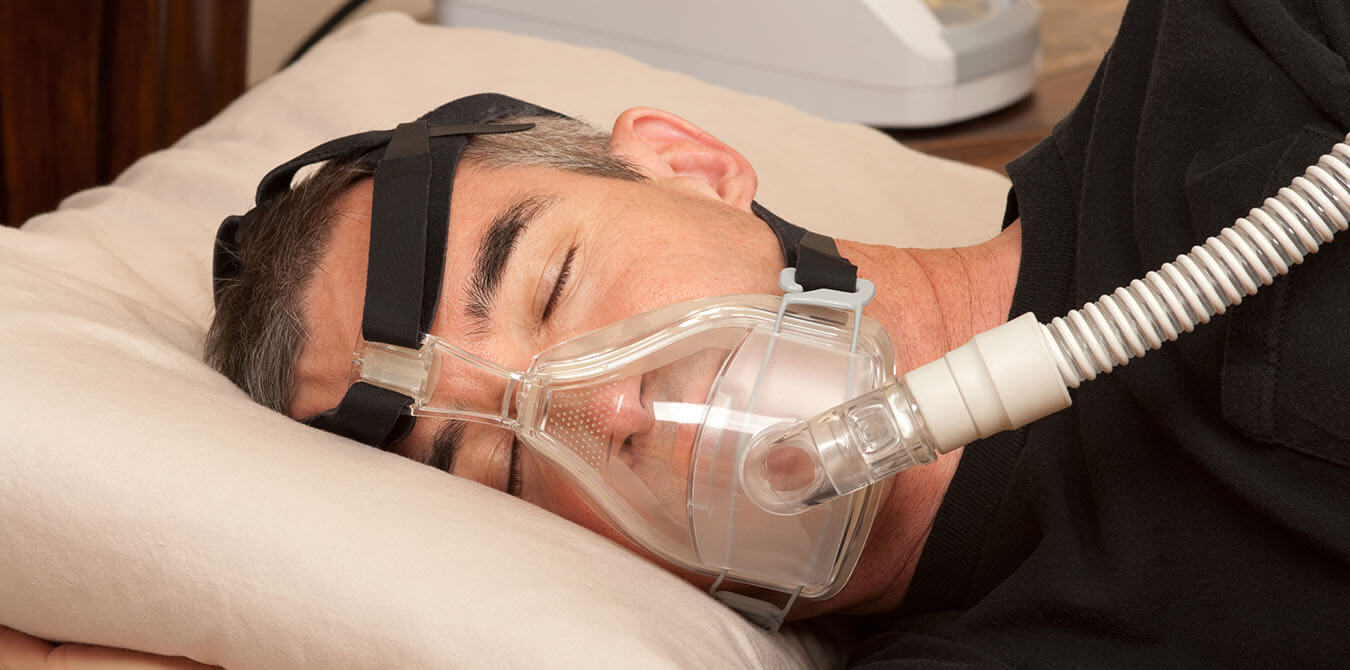
Doctors frequently prescribe continuous positive airway pressure (CPAP) machines for people with sleep apnea. If you have sleep apnea and wear one of these while sleeping, it supplies steady air pressure to prevent the airway from closing. This can make you more insurable and, if you remain compliant, you may qualify for a preferred health rating with many companies.

In contrast, if you refuse to use a prescribed CPAP machine, your insurer could place you in a rated health class that results in higher insurance costs. There’s a major difference between “preferred” and “standard” ratings. That difference could cost hundreds of dollars in higher premiums.

Simplified underwriting allows you to buy life insurance without having to see a doctor or take a medical exam. While this option may be convenient, people with sleep apnea can often find lower premiums if they buy a policy that requires a medical exam. That’s because it gives insurers greater assurance that you’re a good life insurance risk.

Life insurance generally costs more as people age. Brian Ashe, president of Brian Ashe & Associates, LTD and a board member of Life Happens, a nonprofit organization that educates the public about life insurance issues, said sleep apnea can progress over time, making it more difficult for older adults to obtain policies.

“A narrowing of the nasal passages with age, combined with sleep apnea, aggravates the situation,” Ashe said.

Appealing a Decision

If you think a life insurance company hasn’t underwritten you properly for sleep apnea, you can appeal the decision. To be reconsidered, you may need to demonstrate that an error or omission was made. It helps if you work with your physician. Ask your doctor to provide documentation that your condition is under control and your long-term prognosis is good.

If your CPAP machine has a monitoring device, your physician can provide the insurance company with an accurate record of how often you use the machine, possibly strengthening your appeal.

If you’ve had surgery to correct your sleep apnea and a sleep study has shown that the disease no longer is a problem for you, make sure your insurer sees the report.


Get Help Finding Life Insurance With Sleep Apnea

Frequently asked questions

How does sleep apnea affect life insurance rates?+

It depends almost entirely on severity and treatment. Mild obstructive sleep apnea (low AHI) that is treated, with documented compliance, commonly prices at Standard and can reach better classes at lenient carriers. Moderate apnea with good treatment typically lands at Standard to one or two table ratings. Severe apnea, or any apnea that is untreated, draws heavier table ratings, and a new untreated diagnosis is often postponed until treatment is established.

Can you get life insurance with untreated sleep apnea?+

Sometimes, but on worse terms. Untreated apnea reads as an unmanaged cardiovascular risk, so carriers either apply meaningful table ratings or postpone the application until you begin treatment. If a doctor has recommended a sleep study or CPAP and the record shows you have not followed through, that non-compliance itself is underwritten. Starting treatment and documenting 3 to 6 months of compliance before applying routinely saves multiple table ratings.

Will using a CPAP machine help me get lower rates?+

Yes, materially. CPAP is the gold-standard evidence that apnea is controlled, and modern machines record nightly usage data that underwriters accept as compliance proof. Consistent use, commonly defined as 4 or more hours per night on at least 70 percent of nights, supports Standard-or-better offers for mild and moderate cases. Oral appliances and successful surgical outcomes are also accepted when follow-up studies document effectiveness.

What will underwriters ask about my sleep apnea?+

Expect questions about when you were diagnosed, your sleep study results including the AHI score, the treatment prescribed (CPAP, BiPAP, oral appliance, surgery), your compliance record, whether symptoms like daytime sleepiness persist, and related conditions such as hypertension, obesity, or atrial fibrillation. An attending physician statement and, increasingly, CPAP machine data downloads are used to verify the answers.

What life insurance rating can I get if my sleep apnea is controlled?+

Well-controlled mild apnea routinely receives Standard, and a number of carriers will consider Standard Plus or even preferred classes when compliance is documented, labs are clean, and there are no related conditions. Controlled moderate apnea usually prices at Standard to Table 2. Controlled severe apnea generally lands between Standard and Table 4 depending on the carrier and the rest of the health picture.

What happens if I decline or skip a recommended sleep study?+

The insurer treats the risk as unmeasured, which is worse than a documented one. Underwriters routinely rate or postpone applicants whose records show a recommended-but-never-completed sleep study, because the severity is unknown and non-compliance is itself a risk marker. Completing the study, whatever it shows, plus starting the indicated treatment, almost always produces a better offer than avoidance.

Is no-exam life insurance a good option for sleep apnea?+

It can be. Accelerated underwriting programs approve treated, stable apnea applicants regularly, though they still see the diagnosis through prescription and medical data, including CPAP equipment claims. Simplified issue policies ask fewer questions and can suit applicants who have not completed a sleep study, at the cost of higher per-dollar pricing and smaller face amounts. For documented-compliant applicants, fully underwritten coverage is usually cheaper.

Can sleep apnea plus other conditions lead to a decline?+

Combinations are what produce declines. Apnea alone almost never does, but severe untreated apnea stacked with significant obesity, uncontrolled hypertension, heart disease, or atrial fibrillation can exceed a conservative carrier's appetite. Even then, other carriers with more tolerance, simplified issue products, and guaranteed issue policies (no health questions, typically up to $25,000) keep coverage within reach.

Can I appeal or improve a rated sleep apnea decision?+

Yes, two ways. Immediately, your agent can send additional evidence, recent CPAP compliance downloads, a follow-up study, or a physician letter, and ask the underwriter to reconsider, or shop the same evidence to a more apnea-friendly carrier. Longer term, most insurers allow a formal reconsideration a year or more after issue: sustained documented treatment routinely wins back one or more table ratings, lowering the premium for the life of the policy.

Does snoring alone affect life insurance?+

No. Snoring without a diagnosed sleep disorder is not an underwriting factor, and applications do not ask about it. It only enters the picture if your medical records show a doctor suspected apnea and ordered a study. If you have significant snoring with daytime sleepiness, getting evaluated before you apply is still wise: an undiagnosed condition discovered during the exam process disrupts underwriting more than a diagnosed, treated one.

About the authors

Brian Greenberg

Written by

Brian GreenbergCEO / Founder & Licensed Insurance Agent

Brian is the founder and CEO of Insurancy and carries Life, Health, and Property & Casualty licenses in all 50 U.S. states. Since 2013, Brian has been a member of Million Dollar Round Table, a designation for the top 1% of financial advisors worldwide. Brian has been featured in Yahoo! Finance, Money.com, Entrepreneur.com, Life Happens, Forbes, MSN, and Good Financial Cents. Brian’s goal is to show customers the best products, the quickest answers to their questions, and provide expert advice.

Lisa A Koosis

Reviewed by

Lisa A KoosisMedical Claims Specialist

Lisa worked as a medical claims specialist for five years, adjudicating claims, developing appeals training programs and liaising with insurance auditors. As a full-time freelancer, she now completes work that includes writing and fact-checking life and health insurance content for a variety of online publications.

30-second quiz

Find your best life insurance type

Answer a few quick questions and get matched with the right kind of policy.

Take the quiz

Full assessment

Get your complete coverage plan

How much coverage you need, which type fits, and what you should pay.

Start the assessment

Keep reading

Related articles

Life Insurance for Cancer Patients and SurvivorsLife Insurance

Life Insurance for Cancer Patients and Survivors

Both cancer patients and cancer survivors can get life insurance; the right product depends on where you are in treatment. During active treatment, guaranteed issue policies (no health questions, 2-year graded death benefit) and employer group coverage are the realistic options. After treatment ends, traditional term and permanent policies become available following a waiting period of roughly 1 to 10 years that varies by cancer type, stage, and treatment outcome. Some low-risk cancers, such as basal cell skin cancer, are insurable almost immediately.

Brian GreenbergUpdated Jul 2026

Life Insurance With Depression or Anxiety - Best RatesLife Insurance

Life Insurance With Depression or Anxiety - Best Rates

A depression or anxiety diagnosis does not prevent you from getting life insurance. Applicants with mild, well-managed symptoms controlled by therapy or a single stable medication routinely qualify for Standard rates, and lenient carriers will consider better classes. Severity is what moves pricing: hospitalizations, multiple medications, missed work or disability claims, and any history of suicidal ideation push offers into table ratings, while simplified issue and guaranteed issue policies remain available for tougher histories.

Brian GreenbergUpdated Jul 2026

Life Insurance for Diabetics - Type 1 and Type 2 RatesLife Insurance

Life Insurance for Diabetics - Type 1 and Type 2 Rates

You can get life insurance with diabetes, including type 1 and type 2. Well-controlled type 2 diabetics with a recent A1C under about 7.5 often qualify for Standard rates, type 1 diabetics typically receive Standard to table-rated offers depending on control and complications, and guaranteed issue coverage is available to anyone the traditional market declines. Because diabetic underwriting varies more between carriers than almost any other condition, comparing multiple insurers is the single highest-impact step.

Brian GreenbergUpdated Jul 2026

Get the most accurate rates in 2 minutes or less

Making a financial decision doesn’t have to be stressful. See what you qualify for by answering some health questions.

Get a Free Quote