
Business Insurance
Insurancy is the trusted resource for making informed choices about life insurance. Learn what you should know before making important decisions.
 Featured
Business Insurance
Business Overhead Expense (BOE) Insurance - How It Works
Business overhead expense (BOE) insurance reimburses your business's fixed costs, rent, payroll, utilities, insurance, and loan payments, if a disability keeps you from working. It keeps the lights on so the business survives your recovery. BOE complements, not replaces, individual disability income insurance: BOE pays the business's bills while disability income replaces your personal paycheck.
Brian Greenberg•Updated Jul 2026
Read article›Latest business insurance guides
View all articles › Business Insurance
Do LLCs Need Business Insurance? Why the Shield Falls Short
Forming an LLC protects your personal assets from business debts, but it does nothing to protect the business itself. A lawsuit, fire, or injured employee can still wipe out everything the LLC owns. That is why LLCs still carry general liability, commercial property, and workers compensation coverage, and why courts can pierce the veil of an underinsured LLC.
Brian Greenberg•Updated Jul 2026
 Business Insurance
Does Business Insurance Cover Theft? Property vs Crime
Business insurance does cover theft, but which policy pays depends on who stole what. Commercial property insurance covers theft of equipment and inventory by outsiders, usually with signs of forced entry. Employee theft, embezzlement, and stolen cash need commercial crime (fidelity) coverage, and stolen customer data falls to cyber insurance.
Brian Greenberg•Updated Jul 2026
 Business Insurance
Does Personal Auto Insurance Cover Business Use? The Rules
Personal auto insurance generally does not cover business use of a vehicle: policies exclude commercial activity, and a claim that happens while working can be denied outright. Commuting is fine; deliveries, hauling tools to job sites, transporting clients, and rideshare work are not. Regular business use calls for a commercial auto policy or, for occasional use, specific endorsements.
Brian Greenberg•Updated Jul 2026
 Business Insurance
How Is Workers Comp Calculated? Premiums and Benefits
Workers compensation math runs on two formulas. Premiums are calculated from payroll (per $100), industry class codes, and an experience modifier reflecting your claims history. Benefits paid to injured workers are a state-set percentage of their average weekly wage, commonly about two-thirds, subject to state maximums and time limits.
Brian Greenberg•Updated Jul 2026
 Business Insurance
How Much Is Commercial Auto Insurance? Cost Factors
Commercial auto insurance pricing is driven by what you drive, who drives it, and what you haul: vehicle type and value, driver records, coverage limits, radius of operation, and industry all move the number. Businesses with clean drivers and light vehicles pay far less than those running heavy trucks, and higher liability limits required by contracts raise premiums.
Brian Greenberg•Updated Jul 2026
 Business Insurance
How Much Is Commercial Trucking Insurance? Cost Breakdown
Commercial trucking insurance is one of the largest operating costs in the industry. Premiums are driven by what you haul, how far you run, driver experience and records, equipment value, and the federal liability minimums that apply to your operation. Owner-operators with their own authority pay the most; leased drivers under a motor carrier's program pay far less.
Brian Greenberg•Updated Jul 2026
 Business Insurance
Is Business Insurance Tax Deductible? IRS Rules Explained
Business insurance premiums are generally tax deductible because the IRS treats them as ordinary and necessary business expenses. General liability, commercial property, workers comp, commercial auto, professional liability, and cyber premiums all typically qualify. The notable exceptions: life insurance where the business is the beneficiary, and certain self-insurance reserves. Confirm specifics with your tax professional.
Brian Greenberg•Updated Jul 2026
 Business Insurance
Employers Liability vs Workers Comp - What's the Difference
They travel together but do different jobs. Workers compensation (Part One of the policy) pays injured employees' medical bills and lost wages regardless of fault. Employer's liability insurance (Part Two) defends the business when an employee sues anyway, alleging negligence outside the no-fault system, covering legal defense, settlements, and judgments.
Brian Greenberg•Updated Jul 2026
 Business Insurance
Is Workers Comp Taxable? IRS Rules for Benefits and Wages
Workers compensation benefits are generally not taxable at the federal or state level: IRS Publication 525 excludes amounts received under workers compensation acts for occupational injury or sickness. The main exception arises when benefits offset Social Security disability payments, making a portion effectively taxable. For employers, premiums are a deductible business expense.
Brian Greenberg•Updated Jul 2026
 Business Insurance
Restaurant Insurance Programs - Coverage and Ways to Save
Restaurant insurance programs bundle the coverages food businesses need most: general liability, commercial property, workers compensation, liquor liability, spoilage, and business interruption, often at package pricing below buying each policy separately. Premiums track your square footage, payroll, alcohol sales, and claims history, and several practical steps cut costs without thinning protection.
Brian Greenberg•Updated Jul 2026
 Business Insurance
What Insurance Is Needed for a Small Business? Full Guide
Most small businesses need three coverages at minimum: general liability for third-party injury and property damage claims, commercial property for the business's own assets, and workers compensation once employees are hired. Industry, contracts, lenders, and state law then layer on requirements like commercial auto, professional liability, and cyber coverage.
Brian Greenberg•Updated Jul 2026
 Business Insurance
Business Personal Property Insurance - What BPP Covers
Business personal property (BPP) insurance covers the contents of your business: equipment, inventory, furniture, fixtures, tools, and supplies, against fire, theft, vandalism, and other covered perils. It is the "stuff" half of commercial property coverage, distinct from the building itself, and it is typically bundled inside a business owners policy (BOP).
Brian Greenberg•Updated Jul 2026
 Business Insurance
General Liability Insurance for Small Business - Coverage
General liability (GL) insurance is the foundation policy for small businesses: it pays for third-party bodily injury, damage to other people's property, and personal or advertising injury claims, including the legal defense costs that come with them. It does not cover your own property, your employees' injuries, or professional mistakes, which need property, workers comp, and E&O policies respectively.
Brian Greenberg•Updated Jul 2026
 Business Insurance
Hazard Insurance for Business - What It Is and Who Needs It
Hazard insurance for business is another name for the commercial property coverage that protects your buildings and equipment against fire, storms, vandalism, and other named perils. The term shows up most often in lending: SBA and conventional lenders require proof of hazard insurance on business assets pledged as collateral before funding a loan.
Brian Greenberg•Updated Jul 2026
 Business Insurance
Professional Liability Insurance (E&O) - What It Covers
Professional liability insurance, also called errors and omissions (E&O) coverage, protects service providers when a client claims your work was negligent, wrong, or incomplete and cost them money. It covers legal defense and settlements for professional mistakes, the exact claims general liability excludes, and it is standard for consultants, agents, accountants, designers, and anyone paid for advice or expertise.
Brian Greenberg•Updated Jul 2026
 Business Insurance
Commercial Umbrella Insurance - Extra Liability Coverage
Commercial umbrella insurance sits on top of your existing liability policies, general liability, commercial auto, and employer's liability, and pays when a covered claim exceeds their limits. A single serious accident or lawsuit can blow past a standard $1 million limit, and umbrella coverage delivers extra millions of protection at a comparatively low premium.
Brian Greenberg•Updated Jul 2026
 Business Insurance
When Do You Need Business Insurance? Key Trigger Points
The right time to buy business insurance is before the risk exists, and specific events make it non-negotiable: signing a commercial lease, hiring your first employee, taking on client contracts that require proof of coverage, buying business property, or opening to the public. Waiting until after a loss means the loss is not covered.
Brian Greenberg•Updated Jul 2026
 Business Insurance
Workers Comp for Self-Employed Contractors - Do You Need It
Most states do not require self-employed contractors with no employees to carry workers compensation, but the market often does: general contractors, commercial clients, and some licensing boards demand proof of coverage before you can work. Options include buying a policy that covers you personally or, where accepted, a certificate of exemption.
Brian Greenberg•Updated Jul 2026
 Business Insurance
Workers Compensation Insurance Guide - Costs and Coverage
Workers compensation insurance pays medical bills, lost wages, and rehabilitation costs when an employee is injured or made ill by their job, and it protects the employer from most injury lawsuits in return. Nearly every state requires coverage once you hire employees, benefit formulas vary by state, and premiums are driven by payroll, class codes, and your claims history.
Brian Greenberg•Updated Jul 2026
 Business Insurance
Workers Comp Insurance for Small Business - What to Know
Most states require workers compensation as soon as a small business hires its first employee, and even where thresholds are higher, going without coverage exposes the business to lawsuits and fines. Coverage pays employee medical costs and lost wages after work injuries. Premiums scale with payroll and industry risk, which keeps costs manageable for most small teams.
Brian Greenberg•Updated Jul 2026
 Business Insurance
Business Insurance Guide
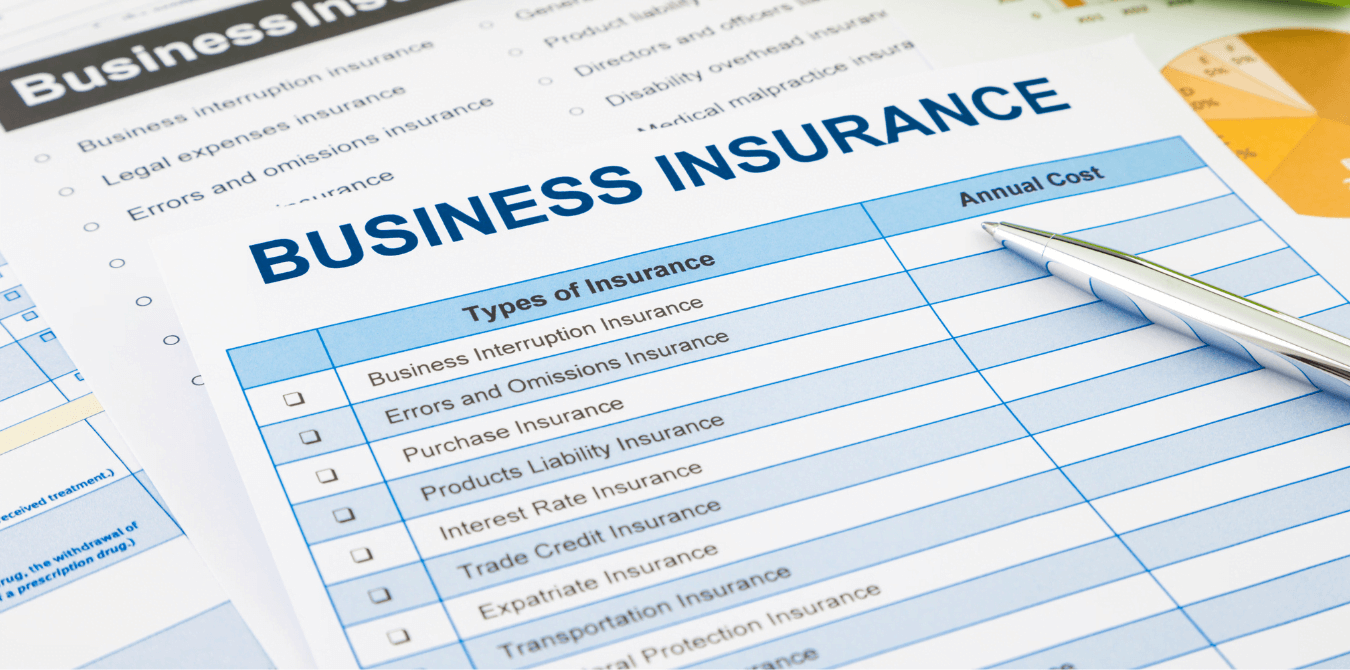
Business insurance is a portfolio of policies that protects a company from financial loss due to property damage, lawsuits, employee injuries, professional errors, and cyber attacks. The most common policies are general liability (GL), Business Owner's Policy (BOP), workers compensation, and professional liability (E&O).
Brian Greenberg•Updated Jun 2026
Get the most accurate rates in 2 minutes or less
Making a financial decision doesn’t have to be stressful. See what you qualify for by answering some health questions.
Get a Free Quote