
Car Insurance
Insurancy is the trusted resource for making informed choices about car insurance. Learn what you should know before making important decisions.
 Featured
Car Insurance
6-Month vs 12-Month Auto Insurance - Which Is Cheaper?
A 6-month auto insurance policy costs about the same per month as a 12-month policy - the real difference is flexibility versus rate lock. A 6-month term lets you re-shop or switch carriers twice a year, while a 12-month term locks your rate for a full year, which helps if you get a ticket or file a claim mid-policy. Full-coverage 12-month premiums for a typical driver run about $1,400 to $2,580.
Brian Greenberg•Updated Jul 2026
Read article›Latest car insurance guides
View all articles › Car Insurance
Arizona Commercial Auto Insurance - Requirements and Rates
Arizona commercial auto insurance covers vehicles used for business purposes and carries the same 25/50/15 minimum liability limits as personal policies, though most businesses need considerably higher limits. Any car, truck, van, or SUV used for business counts as a commercial vehicle, and personal policies typically exclude business-use claims.
Brian Greenberg•Updated Jul 2026
 Car Insurance
Auto Insurance for a Rebuilt Title Car - What to Expect
You can get auto insurance on a car with a rebuilt title, but expect extra steps: most states require an official inspection, and many insurers offer only liability coverage on rebuilt titles. Average premiums run about $2,422 a year for full coverage and $1,244 for liability-only, a bit more than a comparable clean-title car.
Brian Greenberg•Updated Jul 2026
 Car Insurance
Car Insurance Without a License - How to Get Covered
You can get car insurance without a driver's license, usually by listing a licensed household member or caregiver as the primary driver and excluding yourself. Common reasons include owning a car someone else drives, keeping a stored or classic car covered, and protecting a vehicle for a teen or elderly relative.
Brian Greenberg•Updated Jul 2026
 Car Insurance
Best Car Insurance for 16-Year-Olds - Rates and Discounts
The best car insurance for a 16-year-old is almost always to add them as a driver on a parent policy, which typically costs 40 to 60 percent less than a stand-alone policy for the same teen. Top insurers for teens include GEICO, State Farm, Progressive, and USAA (for military families), with good-student and driver-training discounts often stacking to 25 to 30 percent off.
Brian Greenberg•Updated Jul 2026
 Car Insurance
Best Car Insurance for 17-Year-Olds - Cost and Discounts
The best car insurance for a 17-year-old is typically to stay on a parent policy as a listed driver, where the shared premium is roughly half the cost of a stand-alone teen policy. Nationally the cheapest carriers for 17-year-olds are USAA (military only), GEICO, State Farm, and Erie in the states where it operates. Good-student and defensive-driving discounts can cut 15 to 25 percent off the premium.
Brian Greenberg•Updated Jul 2026
 Car Insurance
Best Car Insurance for 18-Year-Olds - Cost and Discounts
At 18, most drivers can legally sign their own auto policy, but the best car insurance for an 18-year-old is still typically to stay on a parent policy. A stand-alone policy for an 18-year-old averages about $3,600 to $5,200 a year, while adding an 18-year-old to a parent policy raises the family premium by roughly $1,800 to $2,400. Good-student and telematics discounts cut both by 15 to 25 percent.
Brian Greenberg•Updated Jul 2026
 Car Insurance
Best Car Insurance for 19-Year-Olds - Rates and Savings
A 19-year-old typically pays roughly half what a 16-year-old pays for car insurance, but still 2 to 3 times what a 30-year-old pays. The best carriers for 19-year-olds nationally are GEICO, State Farm, Progressive, and USAA for military families. Good-student, student-away-at-school, and telematics (usage-based) discounts can cut the premium another 15 to 25 percent.
Brian Greenberg•Updated Jul 2026
 Car Insurance
Best Car Insurance for 20-Year-Olds - Rates and Discounts
A 20-year-old typically pays $2,400 to $3,600 a year for a stand-alone auto policy, or about $1,200 to $1,800 in additional premium if added to a parent policy. Cheapest carriers nationally for 20-year-olds include GEICO, USAA, Erie, and State Farm. Good-student, defensive-driving, telematics, and multi-line (bundling with renters) discounts can stack to 20 to 30 percent off.
Brian Greenberg•Updated Jul 2026
 Car Insurance
Best Car Insurance for 21-Year-Olds - Rates and Discounts
At 21, car insurance rates drop sharply as most carriers move drivers out of the youthful bracket. A 21-year-old typically pays $1,900 to $2,900 a year for a stand-alone policy. Cheapest carriers for 21-year-olds nationally are USAA (military only), GEICO, Erie, and State Farm. Good-student, defensive-driving, telematics, and renters or homeowners bundling discounts can cut premium another 20 to 25 percent.
Brian Greenberg•Updated Jul 2026
 Car Insurance
Best Car Insurance for 22-Year-Olds - Rates and Discounts
A 22-year-old typically pays $1,700 to $2,700 a year for a stand-alone auto insurance policy, roughly 60 percent of what a 19-year-old pays and closing in on the national average. Cheapest carriers for 22-year-olds nationally are USAA (military only), GEICO, Erie, and State Farm. Continuous coverage, defensive-driving, telematics, and renters bundling discounts can cut premium another 20 percent.
Brian Greenberg•Updated Jul 2026
 Car Insurance
Best Car Insurance With Bad Credit - Cheapest Companies
Drivers with bad credit pay significantly more for car insurance - poor credit can add roughly $1,500 a year versus excellent credit - but USAA, Farm Bureau, GEICO, and Nationwide consistently price it cheapest. Five states (California, Hawaii, Massachusetts, Michigan, and Washington) ban credit-based pricing entirely, and improving your score gradually lowers your premium.
Brian Greenberg•Updated Jul 2026
 Car Insurance
Car Insurance With a Suspended License - How to Get It
You can get car insurance with a suspended license, and you often must - many states require proof of coverage or an SR-22 filing before reinstating your license. The practical route is working with an independent agent who knows which carriers accept suspended-status drivers, and never driving until the suspension is lifted.
Brian Greenberg•Updated Jul 2026
 Car Insurance
Can You Insure a Car You Don't Own? Non-Owner Coverage
You can often insure a car you don't own, though some states require the policyholder to match the name on the title. Where that is the case, a non-owner policy covers your liability while driving borrowed or rented cars, and adding yourself as a listed driver on the owner's policy is usually the simpler fix.
Brian Greenberg•Updated Jul 2026
 Car Insurance
Car Insurance in Mesa, AZ - Rates, Companies, Discounts
Mesa drivers pay close to the Arizona average of about $844 a year for car insurance and must carry the state's 25/50/15 minimum liability limits. As Arizona's third-largest city, with heavy East Valley commuter traffic on US 60 and Loops 101 and 202, Mesa rewards drivers who compare several quotes and stack good-driver, multi-policy, and vehicle-safety discounts.
Brian Greenberg•Updated Jul 2026
 Car Insurance
Married vs Single Car Insurance Rates - Why Singles Pay More
Single drivers typically pay more for car insurance than married drivers with identical driving records, because insurers associate marriage with statistically fewer claims. There is no specific married discount - marital status is simply one of many rating factors - and single drivers can close most of the gap by comparing quotes and stacking other discounts.
Brian Greenberg•Updated Jul 2026
 Car Insurance
Car Insurance in Scottsdale, AZ - Rates and Top Companies
Full coverage car insurance in Scottsdale averages about $1,673 a year, slightly above the Arizona state average of $1,574 - pricier vehicles and busy Loop 101 commuter traffic both play a part. Scottsdale drivers can close the gap by comparing top-rated insurers and choosing coverage deliberately rather than defaulting to the cheapest quote.
Brian Greenberg•Updated Jul 2026
 Car Insurance
Car Insurance in Tucson, AZ - Rates, Minimums, Companies
Tucson drivers must carry Arizona's minimum liability limits of $25,000 bodily injury per person, $50,000 per accident, and $15,000 property damage. As Arizona's second-largest city, with I-10 and I-19 running through it, Tucson generally sees rates below the Phoenix metro - and shopping several quotes is still the surest way to find a cheap policy.
Brian Greenberg•Updated Jul 2026
 Car Insurance
Cheap Car Insurance in Arizona - Rates by City and Tips
Cheap car insurance in Arizona starts with the state minimum of $25,000 bodily injury per person, $50,000 per accident, and $15,000 property damage - and rates vary noticeably between Phoenix, Tucson, Mesa, Scottsdale, and other cities. Your driving record, credit, vehicle, and ZIP code shape the premium, so comparing quotes city by city is the core money-saver.
Brian Greenberg•Updated Jul 2026
 Car Insurance
Georgia Commercial Auto Insurance - Requirements and Costs
Georgia commercial auto insurance is required for vehicles used for business purposes, with minimum limits of $25,000 bodily injury per person, $50,000 per accident, and $25,000 property damage. It works like personal auto insurance but is built for business risks, higher limits, and employee drivers.
Brian Greenberg•Updated Jul 2026
 Car Insurance
Do Car Dealerships Offer Temporary Insurance? What to Know
Most major car dealerships can arrange temporary insurance for a new purchase, but you still need proof of coverage before financing or leasing a vehicle off the lot. Existing policies often cover a new car for a 2-to-30-day grace period depending on the state and insurer, and a 30-day temporary term is usually the practical choice while you shop for a long-term policy.
Brian Greenberg•Updated Jul 2026
 Car Insurance
Do You Need Insurance to Register a Car? State Rules
Most states require proof of insurance before you can register a car, and at minimum you will need your state's required liability coverage. A handful of states let you register before buying coverage or check insurance electronically later, but driving uninsured is illegal in every state except New Hampshire.
Brian Greenberg•Updated Jul 2026
 Car Insurance
Does Auto Insurance Follow the Car or the Driver?
Auto insurance generally follows the car, not the driver - if someone borrows your car with permission and crashes, your policy typically pays first. Certain supplemental coverages, like rental car protection and some liability extensions, follow the driver instead. Who pays after an accident depends on fault, policy exclusions, and whether the driver was permitted.
Brian Greenberg•Updated Jul 2026
 Car Insurance
Food Truck Insurance - Coverage, Cost, and 5 Top Companies
Food truck insurance bundles commercial auto, general liability, and property protection for your mobile kitchen. Progressive, Nationwide, GEICO, State Farm, and The Hartford all write competitive food truck policies, and costs vary with the truck's value, your location, menu, and coverage level.
Brian Greenberg•Updated Jul 2026
 Car Insurance
Hired and Non-Owned Auto Coverage (HNOA) - What It Covers
Hired and non-owned auto coverage (HNOA) protects your business from liability when employees or contractors drive rented, hired, or personal vehicles for work. It fills the gap left by commercial auto insurance, which only covers vehicles the business owns, and it is essential once employees run errands, deliver, or travel in cars the company does not own.
Brian Greenberg•Updated Jul 2026
 Car Insurance
Car Insurance When Moving to a New State - What to Update
Moving to a new state usually means updating or replacing your car insurance policy, and most states give you 30 to 90 days after the move to do it. Start with a call to your current agent before you move, expect your rate to change with your new ZIP code, and be ready to switch carriers if your insurer is not licensed in the new state.
Brian Greenberg•Updated Jul 2026
 Car Insurance
Collision Auto Insurance - What It Covers and Costs
Collision insurance pays to repair or replace your own car after an accident, regardless of who was at fault. It is optional under state law but required by most lenders and leasing companies, and the average cost inside a full-coverage policy ran roughly $1,080 to $1,350 a year as of 2020. Your deductible decides how much you pay out of pocket before coverage kicks in.
Brian Greenberg•Updated Jul 2026
Car InsuranceComprehensive Auto Insurance - Coverage, Cost, Deductibles
Comprehensive auto insurance pays to repair or replace your car when it is damaged by something other than a collision - theft, weather, fire, falling objects, vandalism, or animal strikes. It averages about $194 a year with a typical $500 deductible, and lenders and leasing companies require it even though state law does not.
Brian Greenberg•Updated Jul 2026
 Car Insurance
What Is an Auto Insurance Binder? Proof Before Your Policy
An auto insurance binder is a temporary document that proves you have coverage while your formal policy paperwork is being finalized. It lists the driver, insurer, coverages, premiums, VIN, and policy number, costs nothing beyond the policy itself, and is most often needed when financing a car, at the DMV, or after switching insurers.
Brian Greenberg•Updated Jul 2026
 Car Insurance
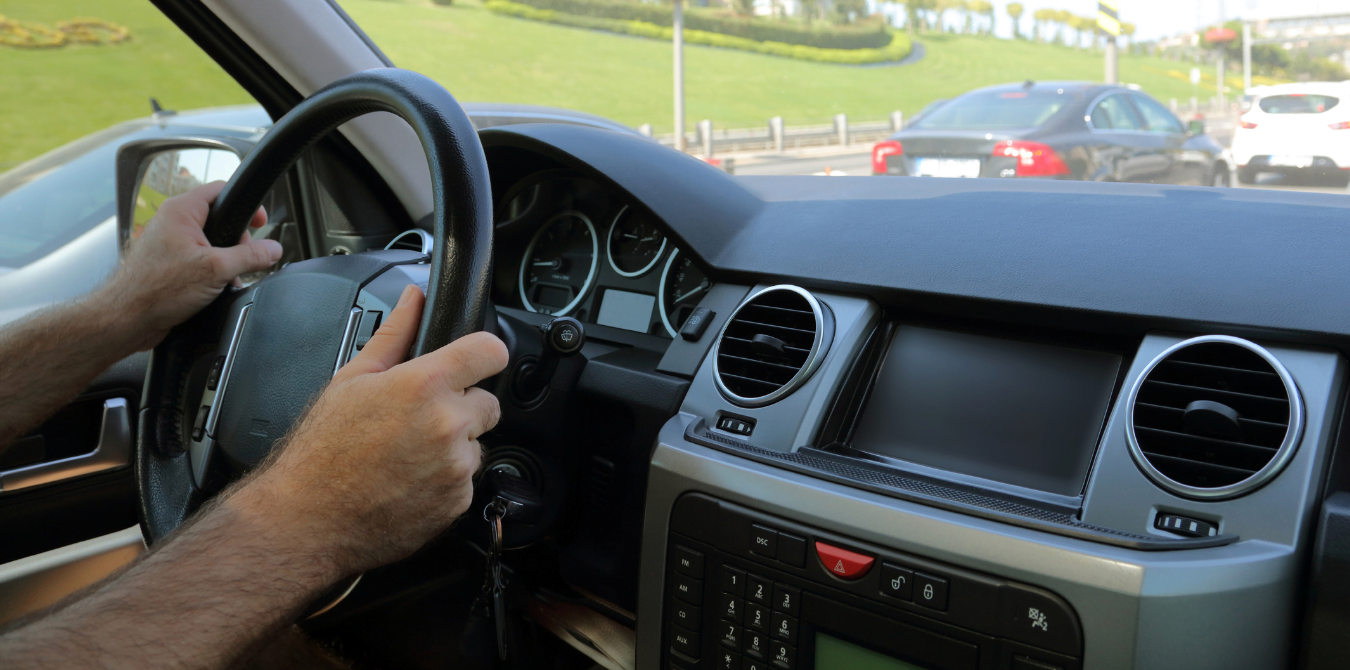
Best Car Insurance for Commuters - Mileage and Rates
The best car insurance for commuters is the cheapest policy that still protects you at commuter mileage, because insurers charge more once annual miles climb past pleasure-use caps of roughly 8,000 to 15,000. Every major carrier writes commuter policies, so comparing quotes at your true mileage is what separates a fair rate from an inflated one.
Brian Greenberg•Updated Jul 2026
 Car Insurance
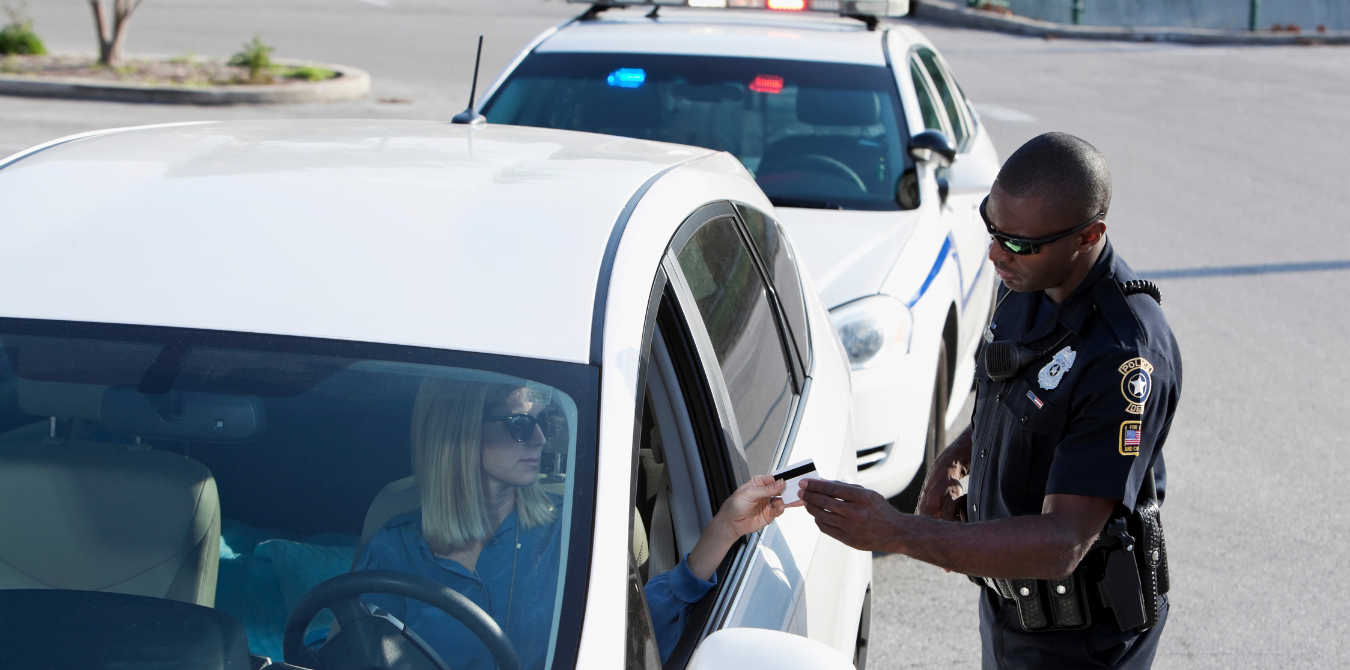
Best Car Insurance for a Bad Driving Record - Your Options
Most insurers will still cover drivers with accidents, tickets, or a DUI - the trade-off is a higher premium for the 3 to 5 years insurers look back on your record. The best policy for a bad driver is the least expensive one that still carries adequate protection, and rates improve at each renewal as violations age off.
Brian Greenberg•Updated Jul 2026
 Car Insurance
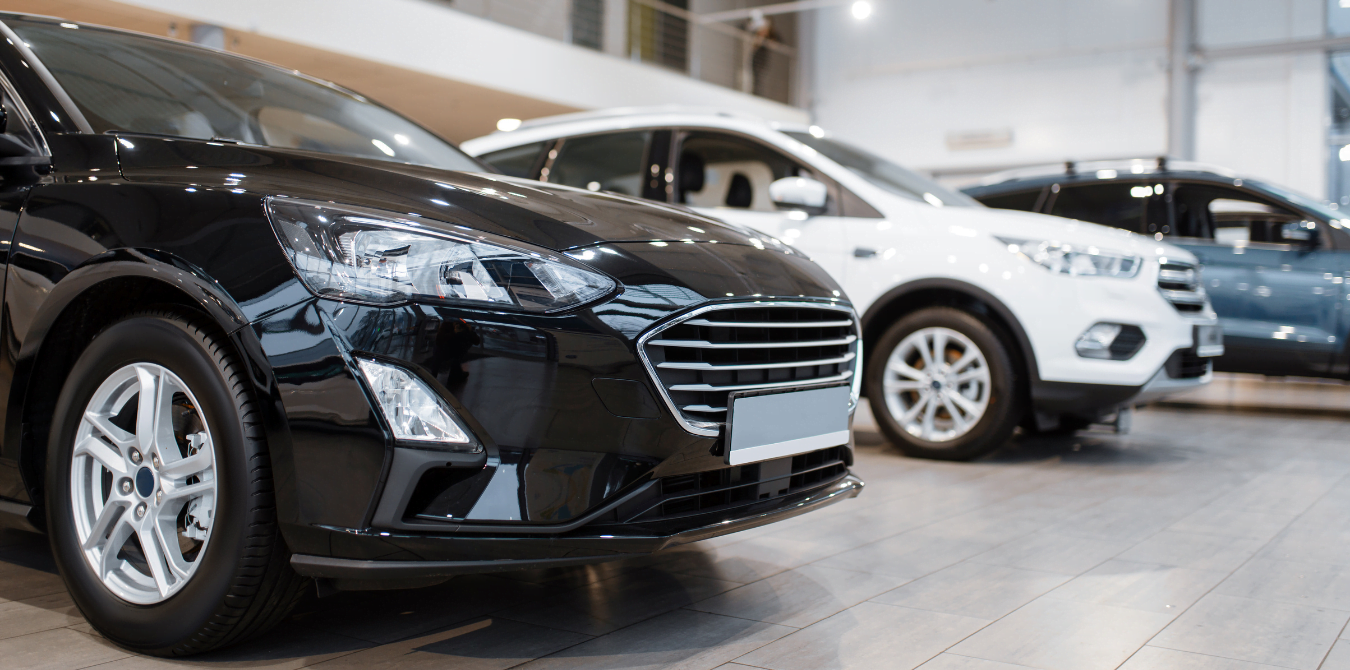
Best Insurance for a Leased Car - Coverage and Gap Rules
The best insurance for a leased car is the lowest-premium policy that satisfies both your state minimums and your leasing company's requirements - typically full coverage, often with gap insurance on top. Leasing itself does not raise the premium; identical coverage costs the same whether the car is leased or owned.
Brian Greenberg•Updated Jul 2026
Car InsurancePulled Over for DUI? 7 Steps to Protect Yourself
If you get pulled over for DUI, stay calm, pull over safely, be polite, and say as little as possible. Field sobriety tests and hand-held breathalyzers are voluntary in most states, but refusing the chemical test at the station after an arrest triggers implied-consent penalties like automatic license suspension. Call an experienced DUI attorney as soon as possible after any arrest.
Brian Sloan•Updated Jul 2026
 Car Insurance
Pulled Over While High on Marijuana? What to Do Next
If you get pulled over while high on marijuana, stay calm, keep your answers short, and do not consent to a vehicle search. Every state can charge drugged driving as a DUI - including states where marijuana is legal - and some use zero-tolerance or per se THC limits. If you are arrested or charged, contact a defense attorney experienced with marijuana DUI cases right away.
Brian Sloan•Updated Jul 2026
 Car Insurance
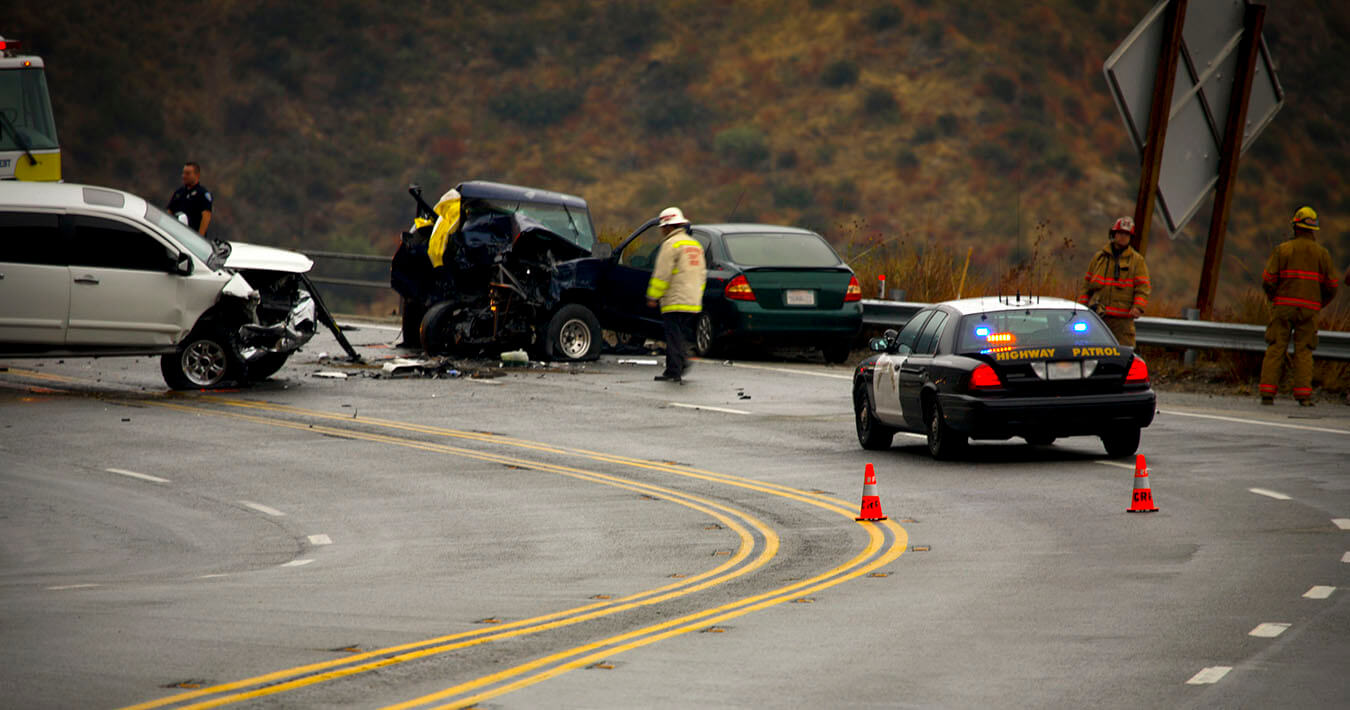
What to Do When You Get in a Car Accident - 8 Steps
After a car accident, check for injuries first, call the police even for minor crashes, exchange information, photograph the scene, seek medical attention, and notify your insurance company promptly. NHTSA counted 42,514 traffic fatalities in 2022, and a calm, documented response protects both your health and your claim.
Brian Sloan•Updated Jul 2026
 Car Insurance
Why Compare Auto Insurance Quotes Online Before You Buy
Comparing auto insurance quotes online is the fastest way to see how much rates vary between companies for the exact same driver - often by hundreds of dollars a year. Online quotes are free, generally accurate if you enter honest information, and comparison tools can pull multiple company rates at once.
Brian Greenberg•Updated Jul 2026
 Car Insurance
Rental Car Insurance - Do You Need It and What It Covers
Rental car insurance covers liability and damage while you drive a rental, but you may not need to buy it at the counter - your personal auto policy often extends to rentals, and many credit cards include complimentary rental coverage. Check both before paying for duplicate protection.
Brian Greenberg•Updated Jul 2026
 Car Insurance
Car Insurance Buyers Guide
Car insurance is a contract that pays for damage to your vehicle, injury to others, and liability claims from accidents you cause. Required in 49 of 50 states (New Hampshire is the exception). The average U.S. driver pays $1,895 per year for full coverage as of 2024.
Brian Greenberg•Updated Jun 2026
Get the most accurate rates in 2 minutes or less
Making a financial decision doesn’t have to be stressful. See what you qualify for by answering some health questions.
Get a Free Quote