
The Insurancy Blog
Insights that make insurance simple
261 expert guides, company reviews and original studies. Written and reviewed by licensed insurance agents.
Category:Car Insurance38
Filter:All Car Insurance
Car Insurance
38 articles found
 Car Insurance
Hired and Non-Owned Auto Coverage (HNOA) - What It Covers
Hired and non-owned auto coverage (HNOA) protects your business from liability when employees or contractors drive rented, hired, or personal vehicles for work. It fills the gap left by commercial auto insurance, which only covers vehicles the business owns, and it is essential once employees run errands, deliver, or travel in cars the company does not own.
Brian Greenberg•Updated Jul 2026
 Car Insurance
Car Insurance When Moving to a New State - What to Update
Moving to a new state usually means updating or replacing your car insurance policy, and most states give you 30 to 90 days after the move to do it. Start with a call to your current agent before you move, expect your rate to change with your new ZIP code, and be ready to switch carriers if your insurer is not licensed in the new state.
Brian Greenberg•Updated Jul 2026
 Car Insurance
Collision Auto Insurance - What It Covers and Costs
Collision insurance pays to repair or replace your own car after an accident, regardless of who was at fault. It is optional under state law but required by most lenders and leasing companies, and the average cost inside a full-coverage policy ran roughly $1,080 to $1,350 a year as of 2020. Your deductible decides how much you pay out of pocket before coverage kicks in.
Brian Greenberg•Updated Jul 2026
 Car Insurance
Comprehensive Auto Insurance - Coverage, Cost, Deductibles
Comprehensive auto insurance pays to repair or replace your car when it is damaged by something other than a collision - theft, weather, fire, falling objects, vandalism, or animal strikes. It averages about $194 a year with a typical $500 deductible, and lenders and leasing companies require it even though state law does not.
Brian Greenberg•Updated Jul 2026
 Car Insurance
What Is an Auto Insurance Binder? Proof Before Your Policy
An auto insurance binder is a temporary document that proves you have coverage while your formal policy paperwork is being finalized. It lists the driver, insurer, coverages, premiums, VIN, and policy number, costs nothing beyond the policy itself, and is most often needed when financing a car, at the DMV, or after switching insurers.
Brian Greenberg•Updated Jul 2026
 Car Insurance
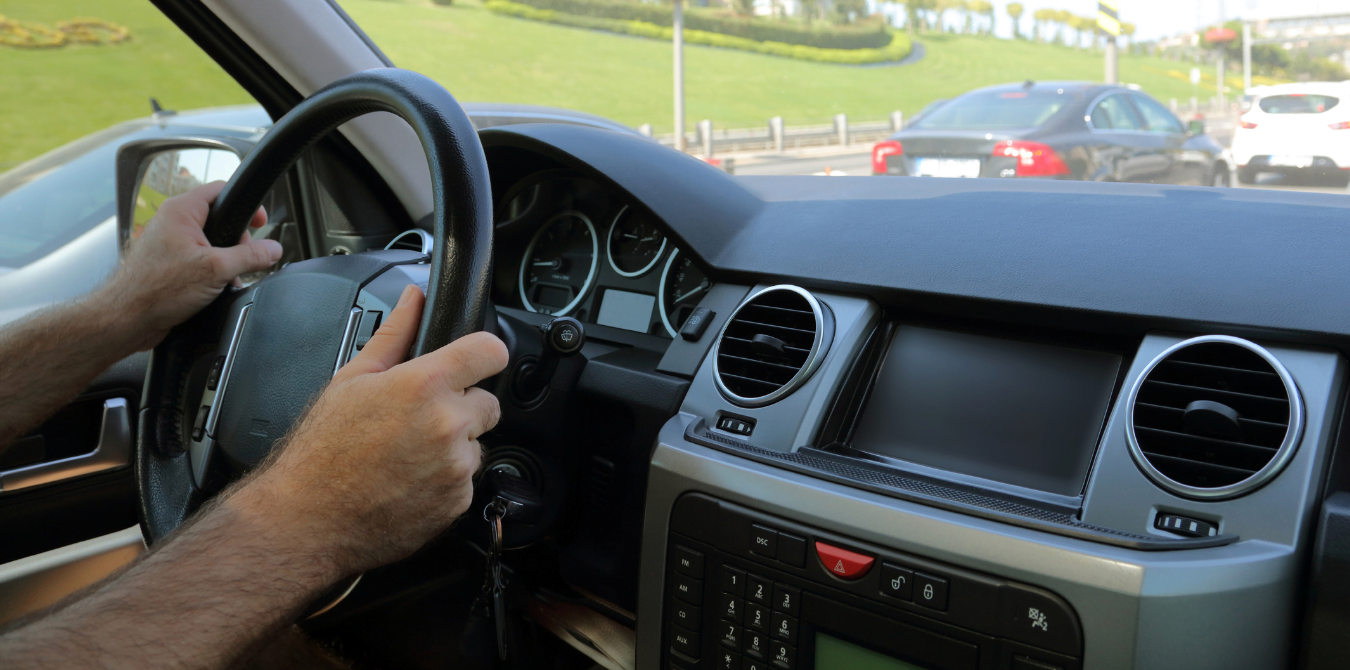
Best Car Insurance for Commuters - Mileage and Rates
The best car insurance for commuters is the cheapest policy that still protects you at commuter mileage, because insurers charge more once annual miles climb past pleasure-use caps of roughly 8,000 to 15,000. Every major carrier writes commuter policies, so comparing quotes at your true mileage is what separates a fair rate from an inflated one.
Brian Greenberg•Updated Jul 2026
 Car Insurance
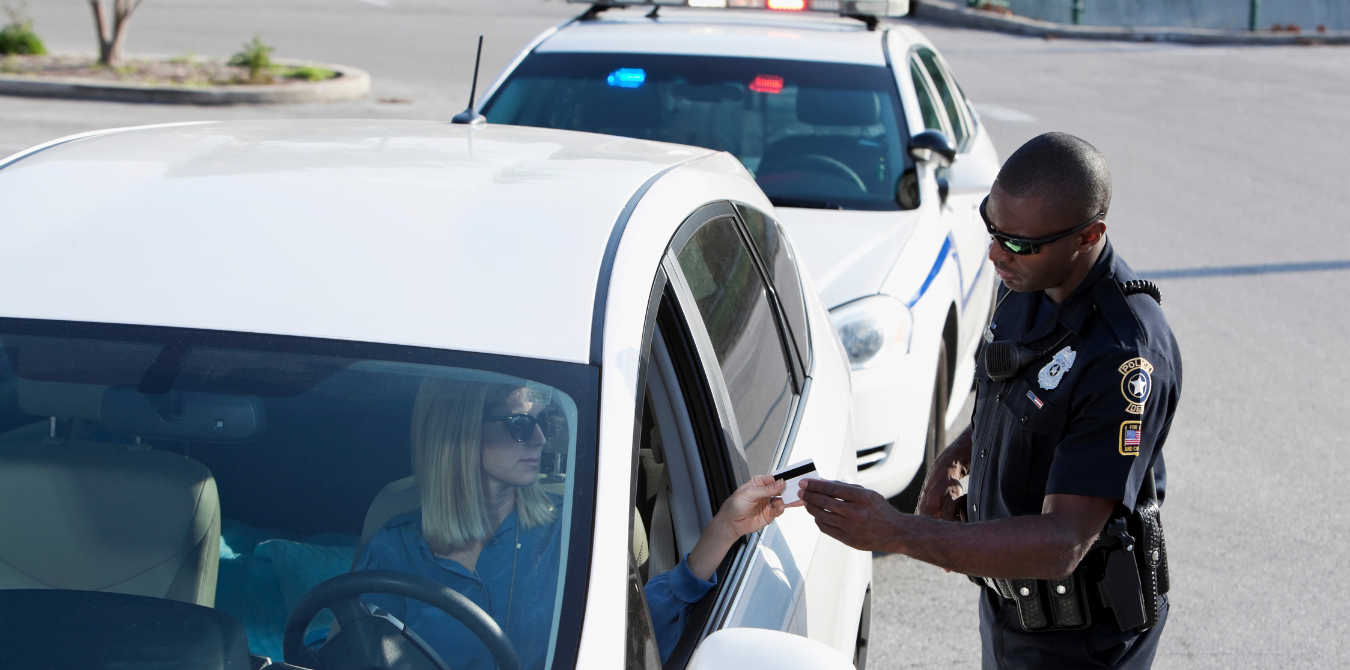
Best Car Insurance for a Bad Driving Record - Your Options
Most insurers will still cover drivers with accidents, tickets, or a DUI - the trade-off is a higher premium for the 3 to 5 years insurers look back on your record. The best policy for a bad driver is the least expensive one that still carries adequate protection, and rates improve at each renewal as violations age off.
Brian Greenberg•Updated Jul 2026
 Car Insurance
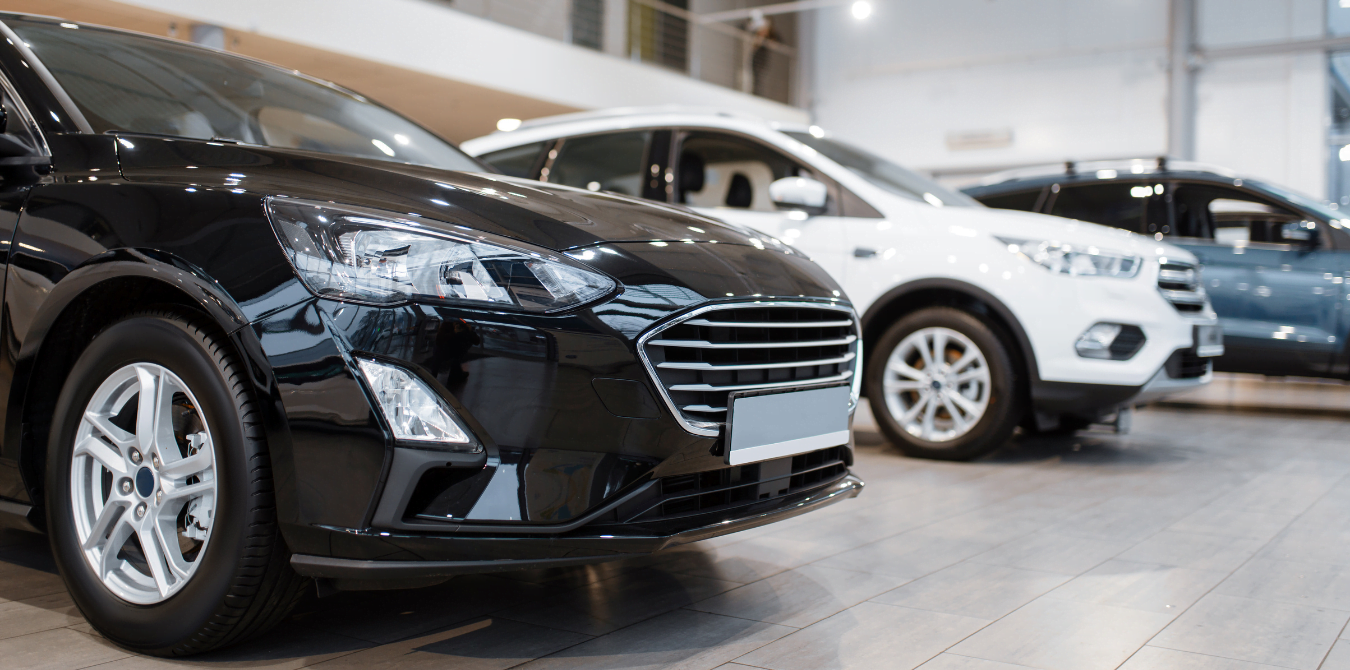
Best Insurance for a Leased Car - Coverage and Gap Rules
The best insurance for a leased car is the lowest-premium policy that satisfies both your state minimums and your leasing company's requirements - typically full coverage, often with gap insurance on top. Leasing itself does not raise the premium; identical coverage costs the same whether the car is leased or owned.
Brian Greenberg•Updated Jul 2026
Car InsurancePulled Over for DUI? 7 Steps to Protect Yourself
If you get pulled over for DUI, stay calm, pull over safely, be polite, and say as little as possible. Field sobriety tests and hand-held breathalyzers are voluntary in most states, but refusing the chemical test at the station after an arrest triggers implied-consent penalties like automatic license suspension. Call an experienced DUI attorney as soon as possible after any arrest.
Brian Sloan•Updated Jul 2026
 Car Insurance
Pulled Over While High on Marijuana? What to Do Next
If you get pulled over while high on marijuana, stay calm, keep your answers short, and do not consent to a vehicle search. Every state can charge drugged driving as a DUI - including states where marijuana is legal - and some use zero-tolerance or per se THC limits. If you are arrested or charged, contact a defense attorney experienced with marijuana DUI cases right away.
Brian Sloan•Updated Jul 2026
 Car Insurance
What to Do When You Get in a Car Accident - 8 Steps
After a car accident, check for injuries first, call the police even for minor crashes, exchange information, photograph the scene, seek medical attention, and notify your insurance company promptly. NHTSA counted 42,514 traffic fatalities in 2022, and a calm, documented response protects both your health and your claim.
Brian Sloan•Updated Jul 2026
 Car Insurance
Why Compare Auto Insurance Quotes Online Before You Buy
Comparing auto insurance quotes online is the fastest way to see how much rates vary between companies for the exact same driver - often by hundreds of dollars a year. Online quotes are free, generally accurate if you enter honest information, and comparison tools can pull multiple company rates at once.
Brian Greenberg•Updated Jul 2026
 Car Insurance
Rental Car Insurance - Do You Need It and What It Covers
Rental car insurance covers liability and damage while you drive a rental, but you may not need to buy it at the counter - your personal auto policy often extends to rentals, and many credit cards include complimentary rental coverage. Check both before paying for duplicate protection.
Brian Greenberg•Updated Jul 2026
 Car Insurance
Car Insurance Buyers Guide
Car insurance is a contract that pays for damage to your vehicle, injury to others, and liability claims from accidents you cause. Required in 49 of 50 states (New Hampshire is the exception). The average U.S. driver pays $1,895 per year for full coverage as of 2024.
Brian Greenberg•Updated Jun 2026